-
收藏模板
- 模板信息
- 更新时间:2023-09-08
- 字数:约24279字
- 页数:约21页
- 格式:.doc
- 推荐版本:Office2016及以上版本
- 售价:5 金币
您可能喜欢的文档
人教版新目标初中英语八年级上册What’s the best radio station教案2篇
教学重点和难点:运用所掌握的语言描述,比较不同地点的特点。在练习中学习掌握英语比较级和最高级的用法。课前准备分配小组,每组五至六人。通过上网或翻阅报刊杂志等方法,确定旅游线路,做出基本的旅游计划。教学设计:本节课流程图 学法指导:1.由于这是一堂新课,在教学中应注意面向全体,发挥学生的主体性,引导学生积极参与,激发学生的求知欲和学习积极性,指导学生积极思维,主动获取知识,养成良好的学习方法。逐步学会独立解决问题。总之要尽可能调动学生的非智力因素促进智力因素的发展。教法选择:1.电化教学法2.课堂讨论法3.任务型教学法采用这些方法的目的是为了充分调动学生的学习积极性,使学生变被动学习为主动学习。通过电脑形象的演示,加强印象,提高兴趣,突破难点,提高教学效率,进而增大教学的容量和信息量。充分体现教师为主导,学生为主体的教学原则。
人教版新目标初中英语八年级上册What’s the matter说课稿4篇
在任务环活动中,我通过设计不同的四个任务,让学生在小组中交流、合作、竞争,每个任务都存在着一定的“信息差”,易于激发学生的表达欲望和急于知道最终结果的心情,在活动中他们一定会努力表现自己,做到最好。四个任务所侧重的训练学生的语言能力的要求也各有不同,他们分别侧重训练学生的听、说、读、写的能力。把任务活动放在小组中进行,还可以解决“大班”难于操练的难题,学生在小组中有更多的时间来运用英语表达自己的思想。Post-task任务后活动(4”)1. Grammar Focus(2”)Go through the Grammar Focus with the whole class,ask Ss to point out the main points in this period. Then show the use of The Past Tense on the screen, especially the regular and irregular changes of verbs. 2. Language practice(2”)Practise the sentence patterns and the use of the Past Tense, especially the errors which Ss made while carrying out their tasks. Such as Subject-verb agreement or Tense-agreement, etc. For example: were you see any sharks? He go to the beach. 在学生尽情地参与活动后再让学生反思本节课的语法焦点,并进行适当的操练,对学生在任务活动中的语言失误进行纠正,使学生保持学习信心。语法讲解采用动画形式又保持了学生的学习兴趣。

人教版新目标初中英语八年级上册What’s the best radio station说课稿6篇
3、重点和难点:重点:学会用形容词的最高级来对事物或人物进行描述。难点:形容词的最高级加est还是加most.二、 说教法:为了更好的突出重点,突破难点,我主要采用了:1、任务型教学法:新课标倡导的“玩中学,学中玩”的理念很受学生欢迎。例如,阅读文章时,我设计了一张表格,让学生阅读后完成表格并复述。培养学生逻辑分类与表述能力。2、 竞赛教学法:根据初中生争强好胜的性格特征,我每堂课都进行俩俩对话,激发学生兴趣,给学生创造外语语言氛围,培养学生集体荣誉感。三、说学法:1、 善于抓住用英语交际的机会,充分感知,积极体验,大胆实践。例如在导入新课时的One minute dialogue(每组都有一次机会),pairwork (每人都有机会),groupwork(每组一次机会)。2、 积极参与,善于合作。例如本课设计了几个任务,操作简单,学生一定很感兴趣并且积极参与,从而合作完成任务,培养了团队精神。
人教版新目标初中英语七年级上册Where’s my backpack教案
教师: 搜集单词卡片、背景资料。 学生:彩笔、大白纸、相关新单词。 教学设计 Step One: Learn the new words. 1.Present the new words. (Show some pictures and words on the screen to teach the students the new words.) T: What’s this? S1: It’s a room. T: Do you have a room like this? S2: Yes, I do./ No, I don’t. T: Read after me. R-O-O-M, room. Ss: R-O-O-M, room. (Teach the other words “TV, desk, picture” in the same way.) T: There are some words here. Read the words after me and spell them. (Learn the other words without pictures on the cards.) T: This is a word. Can you spell this word? (Point to a word in the card.) S1: Yes, I can. / No, I can’t. (Let them know the meaning of “can”.) T: I can spell your name. Can you spell my name? S1: Yes, I can. T: Can you write your name? S: Sorry, I can’t. I have no pen. T: You need a pen.( Give him a pen.) ( Let the students understand the word “need”.) T: I bring a football to school every day. Now it is on the floor. After class I take it to my home. (Teach “bring” and “take”. Put a football on the floor and point to the floor to teach the word “floor”.) 2.Practice the words. (Give the examples to the students and get the students to understand the new words.) Step To Listen and practice.
人教版新目标初中英语七年级上册What color is it教案
一、知识和能力目标通过本单元教学,使学生能运用所学英语,正确地描述物体的颜色;同时进一步学习分辨人物的用语,并加以运用。二、过程和方法目标本单元口语训练应当自始至终在一种鲜明的色彩背景下进行,旨在营造那种为学生所喜爱的欢快气氛,教师应当在十种颜色上大做文章;在使用实物时要使颜色醒目;在组合图画时,要尽量用大色块;在使用投影时要使颜色突出来。教师可以从教室环境上入手营造色彩气氛,如:选取十种颜色的硬色板,剪成各个大写字母;或者将色板剪成各种卡通动物形象,悬挂在教室当中或在墙上,注明各种颜色的英语字块。三、情感态度和价值观目标用各种可以调动学生积极性的活动来提高学生的活跃性,激发他们参与讨论的热情。同时可以对学生进行美育教育,从小培养他们对美的正确认识。
- 查看更多相关Word文档

What’s the matter教案2篇
What’s the matter教案一
Teaching goals:
1. 词汇.让学生熟记这些单词,能够很熟练地指出表示身体部位的某些单词.
2. 能够用所学的单词谈论身体并且能给出中肯的建议.
3. 通过听力练习,争取能够提高学生的听力能力.
4. 文化欣赏,中国文化.
Important and difficult points:
1. words .
2. How to talk about the health and give the advice .
Period1
Teaching procedures:
Step 1Leading in
1.T :How many parts of the body can you name ?
What’s this ?(head , mouth etc.)
Today we’ll learn some parts of the body .
2.This is my head .Oh ,I have a headache .
Step 2Pre-task
1. Read the new words by the Ss first .
2. Then check the Ss if they can read the new words bythemselves correctly .if there is a mistakes ,correct . 3. Practice reading thenew words .Give them 6 minutes .
4. Have a competition between boys and girls .Write thewords you remembered just now on the blackboard . 5. Page7,1a.Do this part by theSs first. Write the correct letter after the name of each body part on the list. 6. Check the answers .
7. Play a game .All the Ss close your books ,we’ll havea instructor to say :Touch your nose /head /right ear … .Let’s see which studentdo it correctly and quickly .First all the Ss do this game .Then have competitionsbetween boys and girls .5 boys and 5girls to the front to do what the instructorsaid .if you are wrong ,please go back to your seats ,the last one who stands atthe front is the winner . Step 3While-task
SB Page 7, 1b .Listen and check the answers .
SB Page 7,1c .Work in pairs and act out .
SB Page 8, 2a .
1. Point out the eight items in this activity .Read theitem to the class .Ss repeat .
2. There are different conversations .Listen carefully. people are talking about health problems they have and getting advice .
3. Match the problems with the advice .
4. Play the tape twice .
5. Check the answers .
Step 4Post-task
同桌之间设计一个医生与病人之间的对话.
Step 5Homework
1. Remember the name of your body part .
2. Write conversations between the doctor and the patient.
Period2
Teaching procedures :
Step 1Leading in
1. Free talk .
2. Revise playing the game .
3. Practice reading the dialogues .
Step 2Pre-task
SB Page 8, 2b .
1. Pay attention to the four pictures .Each of these picturesillustratesone of the conversations .
2. Play the tape ,write the missing words on the blanklines .
3. Play the tape again and check the answers .
4. Pairwork .Practice reading the dialogues in the pictures.Take turns having the problem and giving the advice .
5. Practice reading the dialogue in 2c ,and make theironw conversations .
6. Act out the dialogue .
Step 3While-task
SB Page 9, 3a .
1. Point out the picture and ask Ss to describe it .(Thereis a boy sitting on a bench .He’s sick .A teacher is talking to him )
2. Pay attention to the dialogue and the blanks in thedialogue .
3. Fill in the blanks in the conversation .
4. Go over the answers.
5. Practice reading the dialogue with a student, then workin pairs .
Step 4Post-task
SB Page 9 , 3b .
1. Look at the picture with activity .
A: What’s the matter ?
B: I’m not feeling well . I have a toothache /fever/sorethroat /sore back .
2. Pairwork.
Make your own dialogues setting 3a as an example .
3. Act out the dialogue .Ask some pairs to come to thefront to act out their onw dialogues .
SB Page 9, Part 4.
1. Read the instructions and demonstrate what a “mime”is .
2. Read the dialogue by the Ss .
3. Ask a student to come to the front and mime an illness,the other Ss guess what the illness is .
4. Ask one student to give advice .
5. Give several students an opportunity to come to thefront and mime an illness .
Step 5Homework
1. When you had some problems.please remember what thedoctor said .
2. Remember the new words .
教学后记
Period3
Teachingprocedures:
Step1Leadingin
1.Freetalk.
2.Playthegame:Onestudentmimesanillness,theotherstudentsguesstheillnessandgiveadvice.
What’sthematter?Doyouhaveasorethroat?
Step2Pre-task
SBPage10,1a.
1.Lookatthepicture.Pointoutthefournewwordsandexpressions.SayeachwordandaskSstorepeat.
2.Thefirstpicture.Explainsomethingaboutitusingoneofthefourwordsandexpressions.
3.MatchthewordswiththepicturesbytheSs.
4.Checktheanswers.
5.PracticereadingandmakesuretheSsunderstandthemeaningofthewords.
Step3While-task
SBPage10,1b.
1.Readthefoursentences,Sspracticereading.
2.Lookatthepictureandmatcheachpicturewithadvice.
3.Checktheanswers.
SBPage10,2a&2b.
1.First,makesuretheSsunderstandwhattheywillhear.
2.Thenreadthefournames
3.Listenandwritetheproblemsontheblandlines.Ifpossible,
writewhateachperson“should”and“shouldn’t”dofortheirproblem.
4.Checktheanswers.
Step4Post-task
SBPage10,2c.
1.Asktwostudentstoreadtheconversationtotheclass.
2.Pairwork.Makeconversationswithyourpartner.
3.Actouttheconversationsfortheclass.
4.Writetwodialoguesintheexercisebook.
SBPage11,3a&3b.
1.3a.Readthearticleandunderlinethethingsyoushoulddo.Checktheanswers.
2.3b.LettheSsreadtheparagraphandfillintheblanks.Checktheanswers.
SBPage11,Part4.
Playthegame
Step5Selfcheck
SBPage12,Part1.
1.Fillintheblanksontheirown.
2.Makeyourownsentenceswiththewords.
SBPage12,Part2.
Readtheletter.MakesureSscanunderstandit.
Step6Homework
1.Rememberthewordsinthisunit.
2.DotheexercisesonPages6-8oftheworkbook.
What’s the matter?教案二
PeriodOne (Section A:1a-1c)
Teachingaims:
1.Knowledgeaims:
1)Sscan use the following words: head , ear, eye, mouth, nose, throat , neck, back,hand, arm, leg, tooth-teeth, foot-feet , matter, have a cold, stomachache, ,backache, headache, toothache
2)Sscan use the following sentence patterns:
What’sthe matter? I have a stomach./I have a sore back./I have a cold.
He/Shehas a sore throat.
2.Abilityaims: Learn how to talk about health problems
3.Emotionaims: Let the Ss know keeping healthy is important
Important& difficult points:
Learnhow to talk about health, use have to talk about health problems
Teachingaids: recorder, computer
Teachingdesign:
Teachingsteps Suggestions
Step1 Warming-up
Singan English song: If you’re happy and you know it, clap your hands.
Step2 Word study
1.T: Are you happy? S: Yes, we are. T: When we’re happy, we can clap our handsand stamp our feet. Hands and feet are parts of our body, do you know otherparts of our body in English?
2.Teach the parts of the body one by one by touching it. While teaching one, letthem touch or show it.
3.Presenta picture of a baby and Yao Ming. let the Ss say the parts of the body.
4.Workon Section A 1a
5.Play a game: Touch the parts of your body
1)Let the whole class touch the parts of their body when teacher say: Touch your…
2)Askeight Ss to come to the front and do as the teacher tells them: Touch your…ifone does wrong, let him or her go back, the last one who in the front is thewinner.
Step3 Presentation and practise
1.T: Are you happy? Ss: Yes, we are.
T:When there’s something wrong with your body, are you still happy?
Ss:No.
T:Look at the picture, is he happy?
Ss:No, he isn’t.
T:Why?(Help the Ss to answer: He has a stomachache.)
2.Presentother pictures, talk about health problems of the persons in the pictures.
What’sthe matter? He/She has a headache/ toothache /a sore back/ a sore throat/a coldand a cough.
3.Let the Ss practice in pairs
4.T: Suppose there is something wrong with your body, please use gestures to showit .You may say: I have a headache. I have a sore throat.
Makea model dialogue with two Ss.
T:What’s the matter?
S:I have a headache.
T:Oh, that’s too bad. I’m sorry to hear that.
Letthe Ss practice in pairs.
Step4 Chant
Head,head, I have a headache. I have a headache,
Stomach,stomach, I have a stomachache. I have a stomachache,
Ear,ear, I have an earache. I have an earache, Tooth, tooth, I have a toothache. Ihave a toothache.
Back,back, I have a sore back. I have a sore back, Throat, throat, I have a sorethroat. I have a sore throat.
Oh,dear! Do more exercise, please and keep healthy!
Step5 listen and say
1.Work on Section A 1b, listen and number the names 1-5.
2.Talk about the health problems of the persons in the picture. Eg: Nancy has atoothache, Sarah has a cold,…
Homework:
1.Listen to the tape of 1b and repeat.
2.Copy the new words in Period1.
3.Finish the exercises in this period.
通过唱歌来活跃气氛,让学生很快融入到英语学习的氛围中,,同时为下面引出身体各部位名称的教学作铺垫
用自身来教学新的单词,直观、形象生动
利用明星的图片可以激发学生的兴趣,有利于单词的巩固记忆。
利用游戏来巩固使用刚学过的单词,让学生的感官充分地动起来,通过听输入信息,又通过动作来输出信息。
以happy这个单词自然地引出the man who’s not happy because he hasa stomachache.为下面引出其他人的种种不适做铺垫。
用形象生动的图片来引出本课要掌握的句型,有利于学生对新知识的掌握。
以同桌两两对话的形式来操练句型,巩固新句型的使用。
从第三人称过渡到第一人称,对学生来说是轻车熟路了。再加上两句话来表达自己对他人生病的情感,也就很容易掌握了。
结合本单元内容设计的chant,有利于学生巩固句型。在练习时,教师可让学生操练的速度由慢到快,使学生熟练掌握句型。同时chant节奏明快,朗朗上口,有助于形成良好的学习氛围。
培养学生的听说能力。
Period2 (Section A 2a-2c)
TeachingAims:
Knowledgeaims: 1. Review the names of each part of the body and the names of
theillness.
2.Continue to learn the names of the illness: toothache, fever and headache.
Abilityaims: 1. Learn some advice to keep healthy.
2.Learn to give others some advice according to their matters.
Emotionaims: 1. Learn to live in a healthy way.
2.Learn to take care of others and themselves.
TeachingKey Points & Difficult Points:
1.How to teach the Ss to learn the names of the illness: toothache, fever andheadache.
2.How to give others some advice according to their matters.
3.Learn how to take care of themselves and others.
Teachingdesign: Suggestions
TeachingSteps:
Step1.Warming up
Enjoyand sing an English song: Head and shoulders knees and toes
Headand shoulder knees and toes
Kneesand toes, knees and toes,
Headand shoulder knees and toes
Eyes,ears, mouth, nose
(Repeat4 times)
Step2.Greeting and revision
1.Greetthe whole class as usual.
T:What’s the date today?/ What day is it today?/ How’s the weather?/ How was yourweekend?/What do you usually do on weekends?/ Do you like exercising?/ Howoften do you exercise?/ That’s great! To do exercise can keep us healthy, butif we don’t pay attention to our health, there will be something wrong with ourbody. Now , look at these people.
2.Revision
T:(Show pictures) How is he/she? ( He / She is not fine.)
What’sthe matter?
He/She has a cold (flu) / stomachache/ sore back.
Step3.Presentation
Guessinggame
Tshows some part of the pictures to the Ss and let them guess .
T:What’s the matter with him/her?
S:Does he/she have a …?
T:Yes, he/she has a sore throat (Teach the new word) Can you give him/ her someadvice? What should he /she do? (Teach the new word)
S:He /She should drink hot tea with honey/ shouldn’t speak more/ go to see adoctor… (Ss can give different advice as they like)
T:What’s the matter with him/her?
S:Does he/she have a …?
T:Yes, he / she has a / an toothache /fever / headache / earache…(Teach the newwords) What should he /she do?
S:He /She should go to see a dentist / shouldn’t eat ice cream/shouldn’t drinkcold water /lie down and rest / shouldn’t play basketball/ should drink a lotof water./should see a doctor…
Step4.Practice
1.Do 2a. Listen. Match the problems with the advice.
Playthe tape for the Ss and let them do it by themselves. Then check the answer.
2.Do 2b. Listen again . Fill in the blanks.
Playthe tape for the Ss. At the first time, let them do it by themselves. Then playit again and check the answer.
3.Do 2c. Pairwork.. Role play the conversations in 2b. Let the Ss read theconversations in 2c first. Then work in pairs, make a new conversationaccording to 2b.
A:What’s the matter?
B:I have a …
A:Maybe you should …
B:That’s a good idea.
4.Show more pictures and let the Ss make more conversations.
ProblemsShould Shouldn’t
A:What’s the matter?
B:I have a …
A:Maybe you should …but you shouldn’t…
B:That’s a good idea.
Step5.Task
Workin groups and discuss how to keep ourselves healthy.
ShouldShouldn’t
Report:
Tokeep healthy, we should… we shouldn’t…
Step6Homework
1.Copy the new words.
2.Write the report on the exercise books.
3.Search on the internet about more advice of keeping healthy.
课前通过听唱英文歌曲既复习了上节课所学的身体各部位的名称,又使学生能够迅速地融入到英语课堂中来。通过对前一单元的复习自然引入到本单元的话题中来。
通过猜谜游戏使学生在充满趣味性的形式中接受新知识。
借助课本上的练习进行操练。达到巩固新知识的目的。
学生在此过程中可不必严格按照课本的模式,个人可有自由的发挥。
此环节在熟练操练的基础上,为学生展示更多的情境,使学生在掌握课本知识后拓展,学到更多保持健康的方法。且形式也在原有的基础上加以拓展,使学生能够更灵活地运用句型。
此环节是综合运用知识的部分,通过对本节课内容的学习,让学生用知识解决实际中碰到的问题。使其感受到学有所用。(本环节可让学生在课余时间继续完成。)
Period3 (Section A 3a-4)
TeachingAims:
Knowledgeaims: 1. Review the names of the matters: cold, headache, toothache,stomachache, sore throat and so on.
2.Learn the words “ ago, illness, advice, so”.
3.Continue to learn how to give advice to others.
4.Continue to learn the knowledge of keeping healthy.
Abilityaims: 1. Learn to use the sentences: “-When did it start?
-About…ago.”
“Yes , I think so.” “ I hope you feel better soon.”
“-Do you have a /an…?
-Yes,I do./ No, I don’t.”
2.Continue to learn how to give others advice.
Emotionaims: 1. Continue to learn how to live in a healthy way.
2.Learn to be kind to others and give others more cares.
TeachingKey Points & Difficult Points:
1.How to learn the new words and master the words that have learnt.
2.How to master these sentences to communicate with others fluently.
3.How to make the Ss live in a healthy way and help each other when they are introuble.
Teachingdesign: Suggestions
TeachingSteps:
Step1.Warming up
Chant:I have a headache
Head,head, I have a headache.
Ihave a headache,
Andmy eyes hurt!
Stomach,stomach, I have a stomachache.
Ihave a stomachache,
AndI have the flu!
Ear,ear, I have an earache.
Ihave an earache,
AndI have a fever! Tooth, tooth, I have a toothache.
Ihave a toothache,
Anda sore throat!
Back,back, I have a backache.
Ihave a backache,
Andmy knee hurts!
Ihave a headache, I have an earache,
Atoothache, a backache,
Anda sore throat.
Myeyes hurt, my knee hurts, I have a stomach ache.
Ihave a fever,
AndI have the flu!
Oh,dear. Next, please!
Step2.Greeting and revision
1.Greet the whole class as usual.
2.Revision
T:Oh! They all have matters. What about you ? What’s the matter with you ?
S1:I have a …
T:Maybe you should …but you shouldn’t…
S1:That’s a good idea. (Turn to S2) What’s the matter with you?
S2:I have a/an…
S1:Maybe you should /shouldn’t…
S2:That’s a good idea. ( Turn to S3) …
Step3.Presentation
T:Oh! I’m not feeling well, too. I have a sore back. It starts two days ago .What should I do ?
Ss:You should …/You shouldn’t…
T:Yes, I think so. And I hope we feel better soon. ( Teach the new words and thesentences)
Step4.Practice
1.Do 3a.
T:OK! Now, look at the picture on Page 9. Can you describe the picture? What arethey doing? (Ask the Ss to describe the two people in the picture)
Fillin the blanks in the conversation.
2.Read the conversation.
3.Practice the conversation of 3a.
4.Do 3b.
T:Now look at the picture of 3b. There are a lot of patients in the doctor’sroom. Are they feeling well? What’s the matter with them? What advice shouldthe doctor give them? Use the picture below to make new conversations. You canmake the conversations according to the conversation in 3a.
Givethe Ss some minutes to prepare and then ask some pairs to act it out.
Step5.Game
Asksome of the Ss to come to the blackboard to act like patients and the othersare doctors.
Thepatients mimes an illness one by one. And the doctors guess: what s the matterwith him/her? And then give them some advice. Have a competition between thegroups.
Asklike this:
A:What’s the matter ? Do you have a …?
B:No, I don’t.
C:Do you have a…?
B:Yes, I do.
C:You should …/You shouldn’t…
NameIllness Advice
LiuPeng headache Lie down and rest
Step6.Homework
1.Copy the new words.
2.Make a new conversation according to 3a on their exercise books.
通过chant的形式来复习上几节课所学的各类疾病的名称。
目的:通过此活动,提高学生学习英语的兴趣,复习巩固所学的知识,使其状态能够尽快进入到英语课堂。
通过链条形式的问答,使学生复习上节课所学的句型。形式简单,操练面比较广。
最后由学生问回老师,老师由此引出本节课的新单词与新句型。
借助课本上的练习进行操练。首先让学生只看图片进行描述,让其对对话的内容进行预测,同时也达到对对话内容熟悉的目的。
学生在此过程中可不必严格按照课本的模式,个人可有自由的发挥。
此环节在原先课本的基础上采用比赛的形式来调动学生的积极性,同时也使本节课达到高潮。
Period4 (Section B 1a—2c,4)
教学内容与分析
Teachingcontent: The 4th period section B: 1a, 1b, 2a, 2b, 2c ,4
Teachingaims:
Knowledgeaims:
①To master the new words:
thirsty,stress, (be) stressed out, early, problem, medicine, weak, late
②To master the new sentences:
What’sthe matter with Gina?
Sheis tired.
Sheshould go to bed early. She shouldn’t go to the party.
Abilityaims:
Studentscan tell their problems and find some ways to solve their problems.
Emotionalaims:
Agood health is much more important than anything. So everyone should
takegood care of themselves and their families.
Keypoints:
Howto give advice about the problems of their body.
Difficultpoints:
Howto give advice when one’s unhealthy.
Teachingtools: Tape and pictures
教学设计建议与说明
TeachingSteps:
Step1.Enjoy a song named “ Head, shoulders, knees and toes.”
Thecontent: Head, shoulders, knees and toes, knees and toes.
Head,shoulders, knees and toes, knees and toes.
Eyesand ears and mouth and nose.
Head,shoulders, knees and toes.knees and toes.
Step2.Revision
T:What do you usually do on weekends?
Doyou like watching TV?
Howoften do you usually watch TV?
Whatday is it today?
What’sthe date today?
Howis the weather today?
Howare you today?
Areyou happy today?
(Ifthe student says no, we can ask her: What’s the matter with you? And then replywith: I am sorry to hear that.)
Whatabout your father? How is your father? Is he fine?
Ishe happy?
T:Look! This is my friend Helen. Is she happy?
What’sthe matter with her?
S:She has a headache/stomachache/to/toothache/cold/sore throat.
(Tshows them some pictures and get Ss to say them one by one.)
Step3.Play a guessing game
T:Look at this boy. Does he have a cold?
Canyou give him some advice?
S:He should…
Heshouldn’t…
ThenT give them some pictures which they can only see in a limited time. Play aguessing game.
e.g.Does he/she have….
He/Sheshould….
He/Sheshouldn’t…
Step4.Presentation
T:Does she have a cold/fever?
What’sthe matter with her?
S:She is hungry/stressed out/thirsty/tired.
T:So what should she do?
S:She should eat…
Sheshouldn’t …
Tget the Ss to give the advice, then show them some advice.
Step5.Exercise P10 1a, 1b
Finishthe exercises and then check them
Step6.Listening comprehension
⑴Now there are four students. They areGina, Tony, Julie and Alan. All of them have some problems. Please listen tothe tape and fill in the blanks.
ProblemShould Shouldn’t
Ginatired Go to bed early Go to the party tonight
Tony
Julie
Alan
⑵Listen and repeat.
⑶Choose one of the students to make updialogues according to the form.
A:What’sthe matter with Gina?
B:She is tired.
A:Well, she should……
Sheshouldn’t…
B:That’s a good idea.
⑷Report one or two of the students
e.g.I have a friend. Her name is Gina.
Sheis tired now.
转载请注明出处!本文地址:
https://www.lfppt.com/worddetails_64093635.html最新课件教案文档
-

新年好运来福马迎春马年春节小报手抄报
这套以 “新年到好运来” 为主题的 2026 马年手抄报,设计兼顾美观与实用性,包含彩色成品、空白填写版及黑白线稿版,适配不同使用需求。整体风格喜庆活泼,融合传统年味与童趣元素,画面以红橙为主色调,搭配福字、金元宝、红灯笼、烟花等传统装饰,还有孩童放鞭炮的可爱插画,契合春节氛围。内容板块清晰,设有 “春节起源” 栏目,可科普春节古称 “岁首” 及上古祭祀的起源背景;“马年初一” 板块聚焦新年首日习俗,寓意马年吉祥顺遂;“2026 新年心愿” 栏目则为使用者预留了书写美好期许的空间,既具知识性,又能承载个性化祝福,是一份兼具教育意义与互动性的新年手抄报模板。
精选高中生期末评语
1、该生学习态度端正 ,能够积极配合老师 ,善于调动课堂气氛。 能够积极完成老师布置的任务。学习劲头足,听课又专注 ,做事更认 真 ,你是同学们学习的榜样。但是,成绩只代表昨天,并不能说明你 明天就一定也很优秀。所以,每个人都应该把成绩当作自己腾飞的起 点。2、 你不爱说话 ,但勤奋好学,诚实可爱;你做事踏实、认真、为 人忠厚 ,是一个品行端正、有上进心、有良好的道德修养的好学生。在学习上,积极、主动,能按时完成老师布置的作业,经过努力 ,各 科成绩都有明显进步,你有较强的思维能力和学习领悟力,学习也有 计划性,但在老师看来,你的潜力还没有完全发挥出来,学习上还要有持久的恒心和顽强的毅力。
公司2024第一季度意识形态工作联席会议总结
一是要把好正确导向。严格落实主体责任,逐条逐项细化任务,层层传导压力。要抓实思想引领,把理论学习贯穿始终,全身心投入主题教育当中;把理论学习、调查研究、推动发展、检视整改等有机融合、一体推进;坚持学思用贯通、知信行统一,努力在以学铸魂、以学增智、以学正风、以学促干方面取得实实在在的成效。更加深刻领会到******主义思想的科学体系、核心要义、实践要求,进一步坚定了理想信念,锤炼了政治品格,增强了工作本领,要自觉运用的创新理论研究新情况、解决新问题,为西北矿业高质量发展作出贡献。二是要加强应急处事能力。认真组织开展好各类理论宣讲和文化活动,发挥好基层ys*t阵地作用,加强分析预警和应对处置能力,提高发现力、研判力、处置力,起到稳定和引导作用。要坚决唱响主旋律,为“打造陕甘片区高质量发展标杆矿井”、建设“七个一流”能源集团和“精优智特”新淄矿营造良好的舆论氛围。三是加强舆情的搜集及应对。加强职工群众热点问题的舆论引导,做好舆情的收集、分析和研判,把握时、度、效,重视网上和网下舆情应对。
关于2024年上半年工作总结和下半年工作计划
二是深耕意识形态。加强意识形态、网络舆论阵地建设和管理,把握重大时间节点,科学分析研判意识形态领域情况,旗帜鲜明反对和抵制各种错误观点,有效防范处置风险隐患。积极响应和高效落实上级党委的决策部署,确保执行不偏向、不变通、不走样。(二)全面深化党的组织建设,锻造坚强有力的基层党组织。一是提高基层党组织建设力量。压实党建责任,从政治高度检视分析党建工作短板弱项,有针对性提出改进工作的思路和办法。持续优化党建考核评价体系。二是纵深推进基层党建,打造坚强战斗堡垒。创新实施党建工作模式,继续打造党建品牌,抓实“五强五化”党组织创建,广泛开展党员教育学习活动,以实际行动推动党建工作和经营发展目标同向、部署同步、工作同力。三是加强高素质专业化党员队伍管理。配齐配强支部党务工作者,把党务工作岗位作为培养锻炼干部的重要平台。
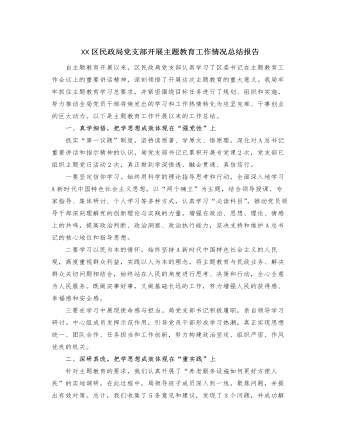
XX区民政局党支部开展主题教育工作情况总结报告
二要专注于解决问题。根据市委促进经济转型的总要求,聚焦“四个经济”和“双中心”的建设,深入了解基层科技工作、学术交流、组织建设等方面的实际情况,全面了解群众的真实需求,解决相关问题,并针对科技工作中存在的问题,采取实际措施,推动问题的实际解决。三要专注于急难愁盼问题。优化“民声热线”,推动解决一系列基层民生问题,努力将“民声热线”打造成主题教育的关键工具和展示平台。目前,“民声热线”已回应了群众的8个政策问题,并成功解决其中7个问题,真正使人民群众感受到了实质性的变化和效果。接下来,我局将继续深入学习主题教育的精神,借鉴其他单位的优秀经验和方法,以更高的要求、更严格的纪律、更实际的措施和更好的成果,不断深化主题教育的实施,展现新的风貌和活力。
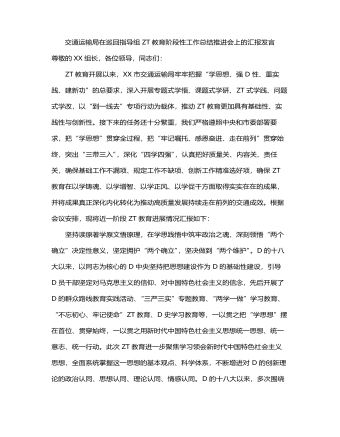
交通运输局在巡回指导组主题教育阶段性工作总结推进会上的汇报发言
今年3月,市政府出台《关于加快打造更具特色的“水运XX”的意见》,提出到2025年,“苏南运河全线达到准二级,实现2000吨级舶全天候畅行”。作为“水运XX”建设首战,谏壁闸一线闸扩容工程开工在即,但项目开工前还有许多实际问题亟需解决。结合“到一线去”专项行动,我们深入到谏壁闸一线,详细了解工程前期进展,实地察看谏壁闸周边环境和舶通航情况,不断完善施工设计方案。牢牢把握高质量发展这个首要任务,在学思践悟中开创建功之业,坚定扛起“走在前、挑大梁、多做贡献”的交通责任,奋力推动交通运输高质量发展持续走在前列。以学促干建新功,关键在推动高质量发展持续走在前列。新时代中国特色社会主义思想着重强调立足新发展阶段、贯彻新发展理念、构建新发展格局,推动高质量发展,提出了新发展阶段我国经济高质量发展要坚持的主线、重大战略目标、工作总基调和方法论等,深刻体现了这一思想的重要实践价值。

今日更新Word
-
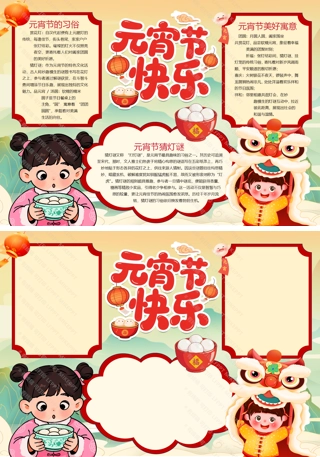
【元宵节】2026马年元宵节手抄报
这套 “元宵节快乐” 手抄报以暖黄为主色调,融入萌娃吃汤圆、醒狮贺岁、红灯笼等元素,年味浓郁且充满童真,包含彩色成品、彩色空白、黑白线稿、浅线稿四种版式,兼顾范例参考与自主创作。内容板块聚焦元宵节核心民俗,“元宵节的习俗” 介绍赏花灯、猜灯谜的传统由来;“元宵节美好寓意” 解读团圆、祈福的文化内涵;“元宵节猜灯谜” 讲述这一趣味活动的历史与魅力。各板块以矩形、云朵形边框清晰划分,层次分明,成品提供详实的民俗知识与文案范例,空白版本便于学生填充个人的元宵经历与感悟,是兼具文化性与实用性的元宵节主题手抄报模板。
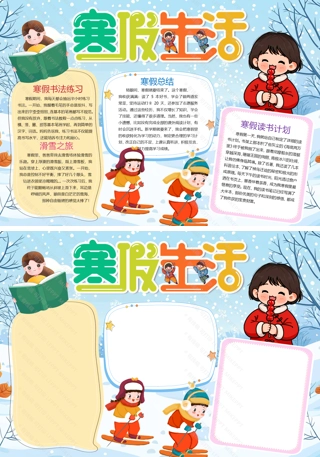
【寒假生活】卡通寒假生活冬天小报手抄报Word模版
这套 “寒假生活” 手抄报以冬日雪景为基底,搭配滑雪孩童、捧书阅读等童趣插画,色彩明快且充满生活气息,涵盖彩色成品、彩色空白、黑白线稿、浅线稿四种版式,兼顾范例参考与学生自主创作需求。内容板块设计贴合小学生寒假日常,“滑雪之旅” 记录户外滑雪的趣味经历与挑战自我的感悟;“寒假书法练习” 讲述坚持练字的过程与收获;“寒假读书计划” 分享《海底两万里》等书籍的阅读心得;“寒假总结” 复盘假期的学习、运动与志愿服务收获,反思不足并规划新学期。各板块以异形边框清晰划分,层次分明,成品提供优质文案范例,空白版本便于学生填充个人假期故事,是助力小学生梳理寒假生活、记录成长的实用模板。
【迎新年】大年初一拜大年新年福马迎春马年春节小报手抄报
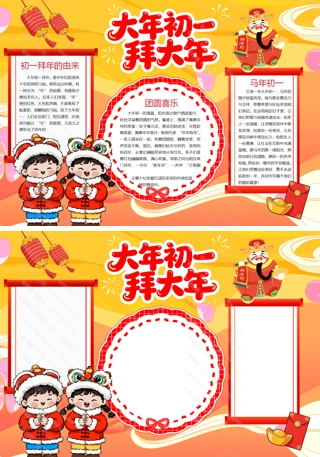
这套 “大年初一拜大年” 手抄报以红金为主色调,融入萌娃拜年、财神送福、红灯笼等元素,年味浓郁且童趣十足,包含彩色成品、彩色空白、黑白线稿、浅线稿四种版式,兼顾范例参考与自主创作。内容板块聚焦大年初一传统习俗,“初一拜年的由来” 讲述年兽传说与拜年习俗的起源;“团圆喜乐” 描绘初一阖家团圆、吃饺子年糕、收红包的温馨场景;“马年初一” 则结合生肖寓意,传递新春的活力与美好祝福。各板块以矩形、圆形边框清晰划分,层次分明,成品提供详实的民俗知识与文案范例,空白版本便于学生填充个人的拜年经历与新春感悟,是兼具文化性与实用性的春节主题手抄报模板。
【寒假计划】我的寒假生活冬天寒假计划小报手抄报Word模版
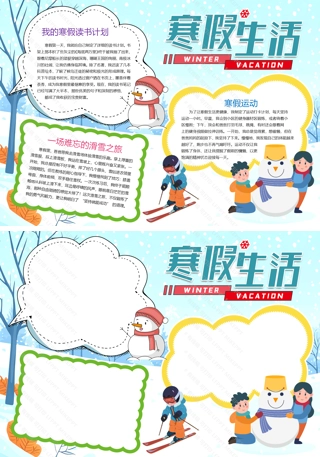
这套 “寒假生活” 手抄报以冬日雪景为背景,融入滑雪、堆雪人等童趣插画,整体风格清新活泼,兼具观赏性与实用性,包含彩色成品、彩色空白、黑白线稿、浅线稿四种版式,适配不同创作需求。内容板块设计贴合小学生寒假生活,“我的寒假读书计划” 记录阅读《海底两万里》等书籍的收获,分享做读书笔记的心得;“一场难忘的滑雪之旅” 讲述滑雪的经历与 “坚持就能成功” 的感悟;“寒假运动” 板块则介绍了每日运动计划与健身收获。各板块以云朵、矩形等异形边框区分,层次分明,成品提供优质内容范例,空白版本便于学生填充个人假期故事,是助力小学生梳理寒假生活的优质模板。
【寒假计划】卡通寒假生活寒假计划冬天小报手抄报Word模版
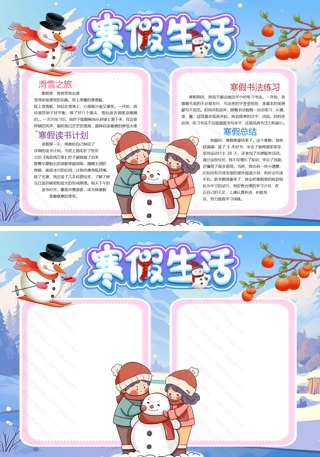
这套 “寒假生活” 手抄报设计充满冬日暖意,以蓝白为主色调,搭配雪人、红柿、孩童堆雪等元素,既显节日氛围又富童真。版式包含彩色成品、彩色空白、黑白线稿、浅线稿四种,兼顾范例参考与自主创作需求。内容板块聚焦寒假核心生活,“滑雪之旅” 记录户外体验的乐趣与挑战,“寒假读书计划” 分享《海底两万里》等书籍的阅读收获,“寒假书法练习” 讲述坚持练字的成长感悟,“寒假总结” 复盘假期的收获与不足。板块以粉色边框清晰划分,内容兼具趣味性与教育性,空白版本则为学生预留了书写个人假期故事的空间,是适配小学生的优质寒假作业模板。
【寒假计划】寒假生活寒假计划冬天卡通小报手抄报Word模版
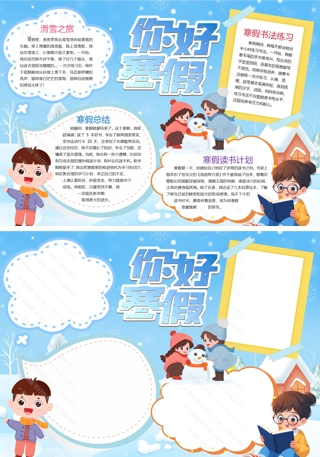
这套 “你好寒假” 手抄报设计精巧,兼具实用性与美观性,以冬日蓝为主色调,搭配堆雪人、读书等童趣插画,营造出浓厚的假期氛围。版式上分为彩色成品、彩色空白、黑白线稿、浅线稿四种版本,适配不同使用需求。内容板块丰富且贴合小学生生活,“滑雪之旅” 记录户外实践的快乐,“寒假总结” 复盘成长收获,“寒假读书计划” 分享阅读感悟,“寒假书法练习” 展现坚持的意义。各板块以云朵、矩形等边框区分,层次清晰,既为学生提供了优秀的内容范例,空白版本也方便孩子们填充自己的假期故事,是一份兼具展示与创作价值的寒假作业模板。