-
收藏模板
- 模板信息
- 更新时间:2023-09-07
- 字数:约17597字
- 页数:约16页
- 格式:.doc
- 推荐版本:Office2016及以上版本
- 售价:5 金币
您可能喜欢的文档
人教版新目标初中英语七年级上册Where’s my backpack说课稿
语言知识:Where is/are-----? Is it /Are they on/in/under-----? Yes, it is. / No, it isn’t.Yes, they are./ No, they aren’t.任务二:寻宝大行动活动目的:通过创设贴近生活的语言情景,学生自由选择所学的语言知识进行交流,培养学生综合运用语言的能力。活动过程:学生课前把自己最喜欢的一件东西收藏起来。以小组为单位,询问其他组员把宝物放在什么地方。规定时间内找到宝物最多者获胜。语言知识:Where is/are-----? Is it /Are they on/in/under-----? Yes, it is. / No, it isn’t.Yes, they are./ No, they aren’t.任务三:找差别活动目的:培养学生用英语思维的判辨能力,并对学生渗透德育教育:应该养成良好的生活习惯,保持房间干净整洁。活动过程:学生看两幅相似的图片,图片中有一些相同的物品,但所放的地点却不一样。以小组为单位,轮流询问有关物品所在的位置。学生记录下两幅图片中物品位置的不同,并在班上汇报自己小组得出的结果。
人教版新目标初中英语七年级上册This is my sister教案
(Play the recording twice again.) (Check the answer.) ③Pairwork. Draw your own picture and talk about it. T: We find out the picture of Lin Hai’s family. Can you draw a picture of your family? SS: … T: OK. When you finish drawing, tell your partner about your picture. You can use “This is …” and “ These are …” to talk about. Then report it to the class. (Students work.) (Check students’ work. Ask two or three students to report.) Step Three: Task. Talk about the family tree. T: Look at the family tree. I think it’s a big family. You can do it in groups of four or three. You can do it in pairs or only by yourself. Then report it to the class. (Students work. Teacher walks around in the classroom and helps the students.) T: Stop here. Let’s check it out. (Choose students to do it.) S1: Look at my family tree. This is my… This is my … They have two … This is my … This is my …This is my …This is my. My parents have two children. This is…This is my …My uncle and my aunt have a son. He is my … (Ask two more students to do it.) Homework. Write a passage about your family.
人教版新目标初中英语七年级上册What color is it教案
一、知识和能力目标通过本单元教学,使学生能运用所学英语,正确地描述物体的颜色;同时进一步学习分辨人物的用语,并加以运用。二、过程和方法目标本单元口语训练应当自始至终在一种鲜明的色彩背景下进行,旨在营造那种为学生所喜爱的欢快气氛,教师应当在十种颜色上大做文章;在使用实物时要使颜色醒目;在组合图画时,要尽量用大色块;在使用投影时要使颜色突出来。教师可以从教室环境上入手营造色彩气氛,如:选取十种颜色的硬色板,剪成各个大写字母;或者将色板剪成各种卡通动物形象,悬挂在教室当中或在墙上,注明各种颜色的英语字块。三、情感态度和价值观目标用各种可以调动学生积极性的活动来提高学生的活跃性,激发他们参与讨论的热情。同时可以对学生进行美育教育,从小培养他们对美的正确认识。
人教版新目标初中英语七年级上册When is your birthday教案
本单元主要学习名词所有格 ('s 所有格 ) 的构成和使用。在初次接触 “ 名词所有格 ” 时,学生较难理解的可能是 “ 所有格 ” 这个名称,对于它的构成,学生也许会觉得较容易。教师可通俗地告诉学生 “ 所有格 ” 的意思是表示 “…… 的 ” ,这样学生反而容易接受。在使用 “ 名词所有格 ” 形式时,学生容易犯错误或混淆的主要是:将这种一 's 构成形式与 is 的缩写形式混淆,如: My father's name's Jin Zhi .,可以这样告诉学生:名词所有格的后面一般应接名词;勿将这种一 's 结构盲目套用与人称代词上,代替物主代词使用,如 He's father's name is Li Cheng 。在教学初期,可不讲授名词所有格的其它形式,待时机成熟,再向学生介绍复数名词所有格形式的结构一 ' ,如: the students' bikes 。 Self Check 教学内容 Self Check( 教材 P52) 教学目标 知识与能力 复习词汇 birthday , date , month , January , February , March , April , May , June , July , August , September , October , November , December , date , birth , age , old , speech . contest . trip , party , event , an , festival , pop , concert , chorus , lecture , music ;引导学生复习、巩固“询问和谈论日期”的目标语言并运用所学知识安排活动。
人教版新目标初中英语七年级上册Good morning教案
一、知识和能力目标本单元要求学生掌握英文字母A—H,能认读其印刷体和手写体字母的大小写等四种形式。书写(大写和小写,笔顺,笔画)基本合乎要求。能看,听,说本单元所列的日常交际用语,重点学会打招呼,并做到语音语调正确。注意一些字母及日常交际用语的发音,提醒学生不要将C/si:/发成/sei:/; ?/发成/e?/,也不要将Good?H /e /等。??????'????说成/???????'???morning/二、过程和方法目标教师要尽量用英语组织教学。充分利用课堂的40分钟,不讲或少讲汉语,尽量给学生创造英语情景。教师可以用手势,表情,动作等示意,帮助学生听懂课堂用语和日常交际用语,第一次介绍某个用语时,说英语,加译文及手势,以后可酌情省去译文,最后只说英语,逐步让学生听懂。
- 查看更多相关Word文档
Where’s my backpack教案
教学内容:
本单元主要内容是谈论物品的所在位置,通过这一话题,训练学生的听、说、读、写四项基本技能,让学生通过询问物品的位置,学习一些物品的单词,及方位介词 on , in , under ,behind 等的用法;学习并掌握where句型的运用,使学生养成干净、整洁、合理摆放物品的好习惯。
教学目标:
1、知识目标:
A、学会一些表示家具的名词以及学习用品的单词;
B、方位介词,如:in , on , under ,behind的用法;
C、学会运用方位介词和where句型表述物品所在的位置。
2、能力目标:
A、学会正确描述物品作在的位置;
B、学会询问自己或他人物品的具体位置;
C、能够合理地描述和设计房间。
3、情感目标:培养学生整齐地摆放自己物品的生活习惯。
教学难点、重点:
重点:A、方位介词 in , on , under , behind的用法。
B、Where的特殊疑问句和Is this a/an . . . ?一般疑问句的肯定和否定回答。
C、学习名词 bed , dresser ,bookcase ,backpack . . .
难点:A、能够正确运用方位介词描述物品作在的位置;
B、能够运用Where的问句找到物品位置。
课时安排:
第一课时 Section A 1a-1c
第二课时 Section A 2a-4
第三课时 Section B 1-2b
第四课时 Section B 3a-4 Self-check
Period One
教师:准备一个带有家具的房间的多媒体课件或挂图,搜集图片、卡片、一些学习用品的实物,以及闹钟、光盘、数学书和其他日常用品。
学生:彩笔
学生用品、大白纸、课本所涉及的单词的实物。
教学步骤
Step One: Present the New words.
①Warming up.
(Prepare some school things for the studentsas presents .)
T: What’s this ? (There is apencil in the teacher’s hand .)
S1: Yes you a right . Here you are .
(give it to the student as a present .)
T: Is this a ruler ? (hold up a ruler .)
S2: Yes it is.
T: How to spell ruler ?
S2: R-U-L-E-R , ruler .
T: Good , here you are.
(Hold up a pen , an eraser , a notebook andso on . Ask the questions in the same way . And give the presents to thestudents .)
T: What’s this ?
S3: It’s a backpack .
T: I have a backpack for you as a present,(Looking for it in the desk , under the chair . . . ) but I can’t find it . Where’s it ? Do you know ?
S3: I don’t know .
S4: I think it’s in your desk..
T: (Look into the desk.) No ,it isn’t .Now , let’s look for thebackpack together , OK ? (Write down the title on the blackboard .)
②Learn the New words.
T: Look at the big picture on the screen.This is a big nice room .I want to own such a room . Because there is somenice furniture in it . Do you know the names of the furniture ?
(Show a picture of a bed and a dresser .)
T: What’s this ? It’s a bed . “BED” . Read after me.B-E-D , bed.
Ss: B-E-D , bed.
T: What’s this ? It’s a dresser .D-R-E-S-S-R , dresser.
Ss: D-R-E-S-S-R , dresser.
(Teach the other words bookcase/sofa/chair/drawer/plant/ . . . in the same way .)
通过师生互动,激发学生思维,并用学过的句子导入新课。
利用多媒体课件创设情景,直观地呈现单词,使学生在语境中理解单词。
T: Read the words aloud .
③Present the words in , on , under , behind using the objects .
T: Where is my book ? It’s on the desk . (Puta book on the desk .)
T: Where is my bag ? (Put a bag on the deskand ask this question .)
S1: It’s on the desk .
T: Where is my bag ? (To all the students)
Ss: It’s on the desk .
T: Where is my pen ? It’s in the pencil case. (Put a pen in the pencil case and ask .)
T: Where is my ruler ? (Put a ruler in thepencil case , too .)
S1: It’s in the pencil case, too .
T: Where is the ruler ?
Ss: It’s in the pencil case.
(Then learn the other two prepositions “under”, “behind” in the same way . )
④Present the words .
T: Now , please look at the screen , whereis the ball in Picture 1 ?
S1: I think it’s in the box .
T: Where is the ball in Picture 2 ?
S2: It’s on the box .
T: Where is the ball in Picture 3 ?
S3: It’s behind the box .
T: Where is the ball in Picture 4 ?
S4: It’s under the box .
T: There are some pictures on the screen ,please match the sentences and the pictures .
1: The cat is under the chair .
2: The cat is on the bed .
3: The cat is behind the door .
4: The cat is in the box .
5: The cat is next to the plant .
通过实物所在的位置直观地呈现乏味介词。
利用多媒体课件创设语言情景,准确呈现物品之间的位置关系,让学生在真实的情景中理解和掌握方位介词。
让学生把句子和图画匹配起来,巩固方位介词的用法。
6: The cat is onthe chair .
T:Please open yourbooks and do 1a quickly as you can.
(After doing 1a,check the answer.)
Step Two :drills .
①Practice the drills .
T: This time , use the school things aroundyou to practice the conversation .
T:Where’s the watch? (Holdup a watch in the hand.)
S1: It’s in your hand.
T: Where’s the bag? (Put abag on the chair.)
S2: It’s on the chair.
(Ask the students topractice the dialogue like this. Then get some pairs to act it out.)
②Introduce a room and listen to the tape.
T: This is Tommy’s room, but he can’t find his books,his pencil case, his baseball, his computer game and his keys, please help himfind the things. Listen and number [1-5] the things in the picture.
(Play the recording and then check theanswer.)
Step Three: Play a game.
T: Now, we will play a game , I have a newruler, all the students close your eyes, and I hide it in our classroom. Pleaseguess, Where is it ? If your answer is right, it is yours. Please ask like thisIs it on the desk? Is it on the floor? Are you ready?
S1: Is it in the ...?
T: No,it isn’t.
S2: Is it under the…?
T: No, it isn’t.
S3: Is it behind the…?
T: Yes, it is. Please find it out .Here youare.(Give the ruler to him.)
(Ask three or four students to come to thefront to hide three or four new school things, others look for them.)
T:Who can come here to hide my new pen?
Ss: I can.
(After playing the game, some students whocan find the school things will have them.)
Step Four: Task.
T: Look at the picture on the screen. Thisis Mary’s room. In groups of four , describe where the things are in theroom.(Prepare
让学生用身边的学习用品操练句型,达到熟练运用where提问。
用学过的一般疑问句以游戏的方式操练本节课所学内容以增强趣味性。
利用屏幕上所给图片,描述Mary房间物品的位置,强化句型。
Forfive minutes.)
S1: Is the book on the desk?
S2: Yes, it is. Is the backpack under thechair?
S3: No, it isn’t. It’s… Where are the keys?
S4: They are…
Homework: Make a play.
There is a man. His name is “forgetful”. He always forgetssomethings, and he always asks Where is / are my …?
Please make a short play and next class wewill act it out.
PeriodTwo
课前准备
教师:准备表格、一些学习用品和多媒体教学课件。
学生:表演短剧的道具、表格。
教学设计
Step One: Check the homework.(运用所学句型表演短剧。)
(The students practice the short play “forgetful” for three minutesso that they can act it out well.)
T:Which group can act the play out?
Ss:We can.(Come to the front.)
S1:My name is “forgetful”, I want to work ,but ,but … Where are my …?
S2: (Come to him ) Are they on the…?
S1: No, it isn’t.
S3: Are they in your…?
S1: Oh, yes, it is. But where is my IDcard?...
(Some groups act it out.)
Step Tw Review the words.(利用多媒体教学课件复习学过的单词,为下面的听力训练做铺垫。)
1. Ask the students to spell the words inthe picture in 2a.
T: First, look at the pictures on thescreen. What are these ?
S1: They are books.
T:What’s this?
S2: It’s a baseball.
T:What’s this?
S3: It’s a computer game.
T:Is this a backpack?
S4:Yes,it is.
T: Can you spell it?
S4: Yes, B-A-C-K-P-A-C-K,backpack.
(Review the other words in the same way.)
T:Now, listen to the recording and look at2a. Number the things from 1-6.
T:Check the answer.(Students give theanswer.)
T:Now, listen again. Let’s do 2b. Find outWhere are the things from 2a? Number the things in the pictures [1-6].(通过听力训练检测学生对所学知识掌握的情况,培养学生听的能力。)
(Play the tape again and check the answer.)
T:Who can answer?
S1:The computer game is on the backpack.
S2:The books are …
S3:The pencil case is …
S4: The backpack is…
S5: The baseball is…
S6: The keys are …
Step Three: Practice the drills.(根据听力材料中的句型,利用图片再次进行巩固练习。)
T: Look at the picture. Is the baseball onthe chair?
Ss:No, it isn’t. It’s under the chair.
T: Are the books under the table.
S:No,they aren’t. They’re on the chair.
…
(write the four sentences on the blackboard.Let the students ask and answer using their own thigns.)
S1: Is your ruler on your pencil case?
S2: No, it isn’t. It’s in my…
S3: Are your keys in your pocket?
S4:No, they aren’t. They are in my…
(Let them ask and answer in pairs as many asthey can to improve their oral ability.)
Step Four: Present the grammar and practice.(利用实物呈现语法。)
1.Grammar focus.
(The teacher collects some school things onher desk, them hides them to ask some questions.)
T:Where is the baseball? (Put a baseball inthe desk)
S: It’s in …
T: Where is the dictionary?
Ss: It’s on/ under/ behind…
T: Whereare the books/ your keys?
S:They’re on the chair./ inyour pocket…
(Then the teacher writes the sentences onthe blackboard.)
T: Please pay attention to the sentences. Weuse “It’s” to talk about single objects and “They’re” to talk about twoor more objects.
“Where’s, It’s and They’re” are contractions.
Make a survey.(运用调查表来巩固句型。)
T: Make a survey about your classmates’ things using Whereis/are…? And then fill in the chart.
NameThings | Ruler | Pencil case | Dictionary | Keys |
Lucy |
|
|
|
|
Tom |
|
|
|
|
Tommy |
|
|
|
|
Lily |
|
|
|
|
2.Make a conversation.(看图操练句型。)
T: Who can put these sentences in order tomake a conversation in 3a.
S1:We can.Where’s the bag?
S2: I don’t know.Is it on thedresser?
S1: No, it isn’t.
T:Prepare a new dialogue for three minutesjust like this. You can use your own things.
(Later, ask more pairs to practice theirconversations as quickly as they can.)
Step Five: Practice the drill “Where is / are…?”
(Make a conversation with a student.)
T:Look at the picture in 3c. Where are thebooks?
S1: I don’t know.
T: Where are the keys?
S2: They are on the dresser.
T: Work in pairs. Make a similarconversation like this.
S1:Where is the baseball?
S2: It’s…
S3:Where is the…?
S4: I don’t know.
S5: Where are the…?
S6: …
S7: Where is the pencil case?
S8: It’s…
(Let the students ask and answer accordingto the picture in 3c or using their own things.)
Step Six: Task.(设置任务,通过对比的方式让学生理解方位介词。)
T:Student A looks at Picture 1 (TextbookP21,4) student B looks at Picture2 (Textbook P19,1a)Ask and answer in pairs.
Sample:
1.Sa: Where is the backpack? Is it under thetable?
Sb: No, it isn’t. It’s on the table.
2.Sa: Where are the books? Are they on thesofa?
Sb: No, they aren’t. They are on thebed.
…...
T: Let’s find out thedifferences between the pictures.Where is the backpack? Is it on the table?(Look at Picture 1)
Ss: No, it isn’t. It’s under the table. (Lookat Picture 2)
T: Where are the books?Are they behind thesofa? (Look at Picture1)
Ss: No, they are on the sofa. (Look atPicture 2)
(Ask some pairs to make the dialogue andfind out some differences.)
T:Fill in the chart according to thepictures.(利用表格直观体现出两幅图的不同点。)
Things | Picture1 | Pictuer2 |
Pencil case | in the backpack | on the table |
Books |
|
|
Backpack |
|
|
… |
|
|
T:Who wants to report it?
S1: I want to . In Picture 1, the pencilcase is… In Picture2, the pencil case is…
S2: In Picture 1, the books are… In Picture2, thebooks are…
(Ask other students to report it.)
Homework.
T: Make a survey after class. Ask some ofyour classmates “Where is…? Where are…?” Fill in the chart.
NameThings | Bed | Clock | Computer game | Ball |
Jim |
|
|
|
|
Amy |
|
|
|
|
PeriodThree
课前准备
教师:搜集学习用品、日常用品的图片及单词卡片。
学生:准备学习用品、日常用品。
教学设计
Step One:Present the new words.
T: I have some things on my desk, I thinkyou can tell me how to say them.
T: What’s this? (Hold up abook in the hand)
Ss: It’s a book.
T: Yes, it’s a math book. Readafter me. M-A-T-H-B-O-O-K, math book.
Ss: M-A-T-H-B-O-O-K, math book.
T: Do you have a watch?
Ss: Yes, I do./ No, I don’t.
T: Is it a watch?
Ss: No, it isn’t. It’s a clock.
T: Good. It’s an alarm clock.Read after me. A-L-A-R-M-C-L-O-C-K,alarm clock.
(Then hold up CD, video tape, hat, notebook,teach them in the same way. Check the words using the cards.)
T: Let’s do 1a in SectionB. Match the words with the things in the picture in 1a.(Then check theanswers.)
Step Tw Present the drills.
1.Review the words.
T: Now do 1b in Section B, look at Tommy’s room for threeminutes. Please try your best to remember all the things in the room. Begin!
(Three minutes later,ask them to close theirbooks. Give them another three minutes to write down the things theyremembered.)
T:Who can write them down on the blackboard?
S1:I can.(After writing them,students openthe books to check the answer.)
T:How many words did you write?
Ss:Fifteen/Twenty/Twenty-two …
T:What are in the picture?
S:A backpack, a quilt, a computer game, somebooks…
2.Present the drill.
T: Look at the picture 1a in Section B andanswer my questions Where is the math book?
S1: It is…
T: Where are the pictures?
S2: They are…
T: Where are the books?
S3: They are…
T: Ask and answer according to the picturethen fill in the chart.
Things | backpack | books | ID card | ruler | cap |
Places |
|
|
|
|
|
Step Three: Listen and practice the drill.
1.Listen to the tape.
T: Tommy wants his mother to bring someschool things to school for him. But his room isn’t tidy. So hismother can’t find the things. Let’s listen to therecording of 2a and help his mother find the things.
(Play the tape for the first time. Thestudents circle the word they hear. Then check the answer.)
T:Now listen again, and fill in the chart.
Things | ruler | notebook | Math book | CDs |
Places |
|
|
|
|
2.Practice the dialogue.
T: Where’s the ruler?
S1: It’s…
T: Where’s the notebook?
S2: It’s…
T: Where are CDs?
S3: They’re…
T: Work inpairs according tothe chart.
Step Four: Task.
T: Please look at Tommy’s room. Do you thinkit’s tidy?
Ss: No, I don’t think so.
T: Four students in a group. Draw a pictureabout Tommy’s room, help him clean the room to put the things in the correctplaces.
转载请注明出处!本文地址:
https://www.lfppt.com/worddetails_18943515.html最新课件教案文档
-

新年好运来福马迎春马年春节小报手抄报
这套以 “新年到好运来” 为主题的 2026 马年手抄报,设计兼顾美观与实用性,包含彩色成品、空白填写版及黑白线稿版,适配不同使用需求。整体风格喜庆活泼,融合传统年味与童趣元素,画面以红橙为主色调,搭配福字、金元宝、红灯笼、烟花等传统装饰,还有孩童放鞭炮的可爱插画,契合春节氛围。内容板块清晰,设有 “春节起源” 栏目,可科普春节古称 “岁首” 及上古祭祀的起源背景;“马年初一” 板块聚焦新年首日习俗,寓意马年吉祥顺遂;“2026 新年心愿” 栏目则为使用者预留了书写美好期许的空间,既具知识性,又能承载个性化祝福,是一份兼具教育意义与互动性的新年手抄报模板。
精选高中生期末评语
1、该生学习态度端正 ,能够积极配合老师 ,善于调动课堂气氛。 能够积极完成老师布置的任务。学习劲头足,听课又专注 ,做事更认 真 ,你是同学们学习的榜样。但是,成绩只代表昨天,并不能说明你 明天就一定也很优秀。所以,每个人都应该把成绩当作自己腾飞的起 点。2、 你不爱说话 ,但勤奋好学,诚实可爱;你做事踏实、认真、为 人忠厚 ,是一个品行端正、有上进心、有良好的道德修养的好学生。在学习上,积极、主动,能按时完成老师布置的作业,经过努力 ,各 科成绩都有明显进步,你有较强的思维能力和学习领悟力,学习也有 计划性,但在老师看来,你的潜力还没有完全发挥出来,学习上还要有持久的恒心和顽强的毅力。
公司2024第一季度意识形态工作联席会议总结
一是要把好正确导向。严格落实主体责任,逐条逐项细化任务,层层传导压力。要抓实思想引领,把理论学习贯穿始终,全身心投入主题教育当中;把理论学习、调查研究、推动发展、检视整改等有机融合、一体推进;坚持学思用贯通、知信行统一,努力在以学铸魂、以学增智、以学正风、以学促干方面取得实实在在的成效。更加深刻领会到******主义思想的科学体系、核心要义、实践要求,进一步坚定了理想信念,锤炼了政治品格,增强了工作本领,要自觉运用的创新理论研究新情况、解决新问题,为西北矿业高质量发展作出贡献。二是要加强应急处事能力。认真组织开展好各类理论宣讲和文化活动,发挥好基层ys*t阵地作用,加强分析预警和应对处置能力,提高发现力、研判力、处置力,起到稳定和引导作用。要坚决唱响主旋律,为“打造陕甘片区高质量发展标杆矿井”、建设“七个一流”能源集团和“精优智特”新淄矿营造良好的舆论氛围。三是加强舆情的搜集及应对。加强职工群众热点问题的舆论引导,做好舆情的收集、分析和研判,把握时、度、效,重视网上和网下舆情应对。
关于2024年上半年工作总结和下半年工作计划
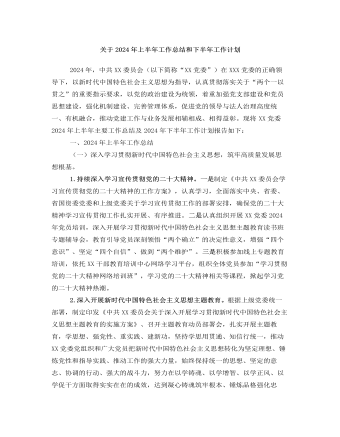
二是深耕意识形态。加强意识形态、网络舆论阵地建设和管理,把握重大时间节点,科学分析研判意识形态领域情况,旗帜鲜明反对和抵制各种错误观点,有效防范处置风险隐患。积极响应和高效落实上级党委的决策部署,确保执行不偏向、不变通、不走样。(二)全面深化党的组织建设,锻造坚强有力的基层党组织。一是提高基层党组织建设力量。压实党建责任,从政治高度检视分析党建工作短板弱项,有针对性提出改进工作的思路和办法。持续优化党建考核评价体系。二是纵深推进基层党建,打造坚强战斗堡垒。创新实施党建工作模式,继续打造党建品牌,抓实“五强五化”党组织创建,广泛开展党员教育学习活动,以实际行动推动党建工作和经营发展目标同向、部署同步、工作同力。三是加强高素质专业化党员队伍管理。配齐配强支部党务工作者,把党务工作岗位作为培养锻炼干部的重要平台。
XX区民政局党支部开展主题教育工作情况总结报告
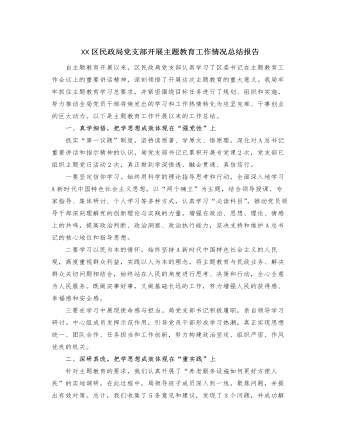
二要专注于解决问题。根据市委促进经济转型的总要求,聚焦“四个经济”和“双中心”的建设,深入了解基层科技工作、学术交流、组织建设等方面的实际情况,全面了解群众的真实需求,解决相关问题,并针对科技工作中存在的问题,采取实际措施,推动问题的实际解决。三要专注于急难愁盼问题。优化“民声热线”,推动解决一系列基层民生问题,努力将“民声热线”打造成主题教育的关键工具和展示平台。目前,“民声热线”已回应了群众的8个政策问题,并成功解决其中7个问题,真正使人民群众感受到了实质性的变化和效果。接下来,我局将继续深入学习主题教育的精神,借鉴其他单位的优秀经验和方法,以更高的要求、更严格的纪律、更实际的措施和更好的成果,不断深化主题教育的实施,展现新的风貌和活力。
交通运输局在巡回指导组主题教育阶段性工作总结推进会上的汇报发言
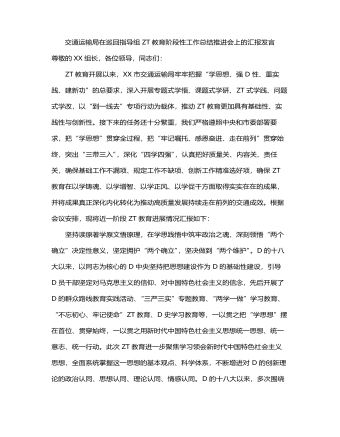
今年3月,市政府出台《关于加快打造更具特色的“水运XX”的意见》,提出到2025年,“苏南运河全线达到准二级,实现2000吨级舶全天候畅行”。作为“水运XX”建设首战,谏壁闸一线闸扩容工程开工在即,但项目开工前还有许多实际问题亟需解决。结合“到一线去”专项行动,我们深入到谏壁闸一线,详细了解工程前期进展,实地察看谏壁闸周边环境和舶通航情况,不断完善施工设计方案。牢牢把握高质量发展这个首要任务,在学思践悟中开创建功之业,坚定扛起“走在前、挑大梁、多做贡献”的交通责任,奋力推动交通运输高质量发展持续走在前列。以学促干建新功,关键在推动高质量发展持续走在前列。新时代中国特色社会主义思想着重强调立足新发展阶段、贯彻新发展理念、构建新发展格局,推动高质量发展,提出了新发展阶段我国经济高质量发展要坚持的主线、重大战略目标、工作总基调和方法论等,深刻体现了这一思想的重要实践价值。

今日更新Word
-
【元宵节】2026马年元宵节手抄报
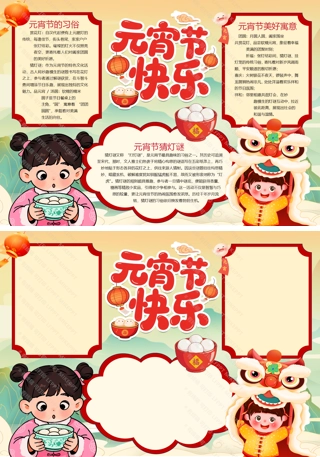
这套 “元宵节快乐” 手抄报以暖黄为主色调,融入萌娃吃汤圆、醒狮贺岁、红灯笼等元素,年味浓郁且充满童真,包含彩色成品、彩色空白、黑白线稿、浅线稿四种版式,兼顾范例参考与自主创作。内容板块聚焦元宵节核心民俗,“元宵节的习俗” 介绍赏花灯、猜灯谜的传统由来;“元宵节美好寓意” 解读团圆、祈福的文化内涵;“元宵节猜灯谜” 讲述这一趣味活动的历史与魅力。各板块以矩形、云朵形边框清晰划分,层次分明,成品提供详实的民俗知识与文案范例,空白版本便于学生填充个人的元宵经历与感悟,是兼具文化性与实用性的元宵节主题手抄报模板。
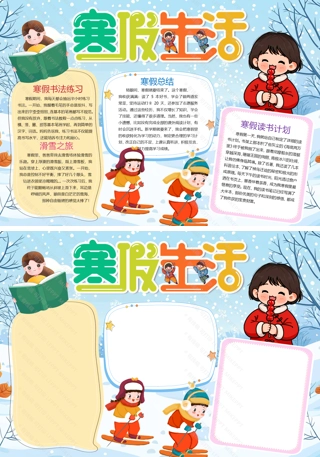
【寒假生活】卡通寒假生活冬天小报手抄报Word模版
这套 “寒假生活” 手抄报以冬日雪景为基底,搭配滑雪孩童、捧书阅读等童趣插画,色彩明快且充满生活气息,涵盖彩色成品、彩色空白、黑白线稿、浅线稿四种版式,兼顾范例参考与学生自主创作需求。内容板块设计贴合小学生寒假日常,“滑雪之旅” 记录户外滑雪的趣味经历与挑战自我的感悟;“寒假书法练习” 讲述坚持练字的过程与收获;“寒假读书计划” 分享《海底两万里》等书籍的阅读心得;“寒假总结” 复盘假期的学习、运动与志愿服务收获,反思不足并规划新学期。各板块以异形边框清晰划分,层次分明,成品提供优质文案范例,空白版本便于学生填充个人假期故事,是助力小学生梳理寒假生活、记录成长的实用模板。
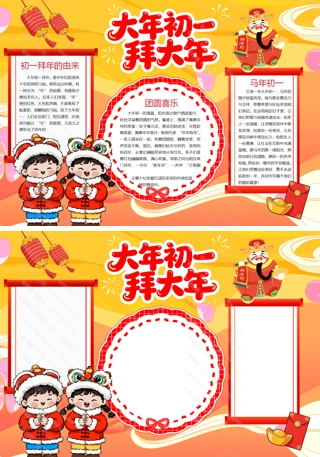
【迎新年】大年初一拜大年新年福马迎春马年春节小报手抄报
这套 “大年初一拜大年” 手抄报以红金为主色调,融入萌娃拜年、财神送福、红灯笼等元素,年味浓郁且童趣十足,包含彩色成品、彩色空白、黑白线稿、浅线稿四种版式,兼顾范例参考与自主创作。内容板块聚焦大年初一传统习俗,“初一拜年的由来” 讲述年兽传说与拜年习俗的起源;“团圆喜乐” 描绘初一阖家团圆、吃饺子年糕、收红包的温馨场景;“马年初一” 则结合生肖寓意,传递新春的活力与美好祝福。各板块以矩形、圆形边框清晰划分,层次分明,成品提供详实的民俗知识与文案范例,空白版本便于学生填充个人的拜年经历与新春感悟,是兼具文化性与实用性的春节主题手抄报模板。
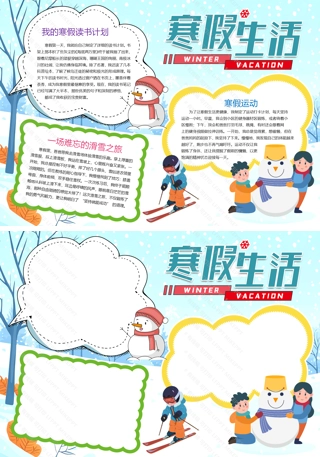
【寒假计划】我的寒假生活冬天寒假计划小报手抄报Word模版
这套 “寒假生活” 手抄报以冬日雪景为背景,融入滑雪、堆雪人等童趣插画,整体风格清新活泼,兼具观赏性与实用性,包含彩色成品、彩色空白、黑白线稿、浅线稿四种版式,适配不同创作需求。内容板块设计贴合小学生寒假生活,“我的寒假读书计划” 记录阅读《海底两万里》等书籍的收获,分享做读书笔记的心得;“一场难忘的滑雪之旅” 讲述滑雪的经历与 “坚持就能成功” 的感悟;“寒假运动” 板块则介绍了每日运动计划与健身收获。各板块以云朵、矩形等异形边框区分,层次分明,成品提供优质内容范例,空白版本便于学生填充个人假期故事,是助力小学生梳理寒假生活的优质模板。

【寒假计划】卡通寒假生活寒假计划冬天小报手抄报Word模版
这套 “寒假生活” 手抄报设计充满冬日暖意,以蓝白为主色调,搭配雪人、红柿、孩童堆雪等元素,既显节日氛围又富童真。版式包含彩色成品、彩色空白、黑白线稿、浅线稿四种,兼顾范例参考与自主创作需求。内容板块聚焦寒假核心生活,“滑雪之旅” 记录户外体验的乐趣与挑战,“寒假读书计划” 分享《海底两万里》等书籍的阅读收获,“寒假书法练习” 讲述坚持练字的成长感悟,“寒假总结” 复盘假期的收获与不足。板块以粉色边框清晰划分,内容兼具趣味性与教育性,空白版本则为学生预留了书写个人假期故事的空间,是适配小学生的优质寒假作业模板。
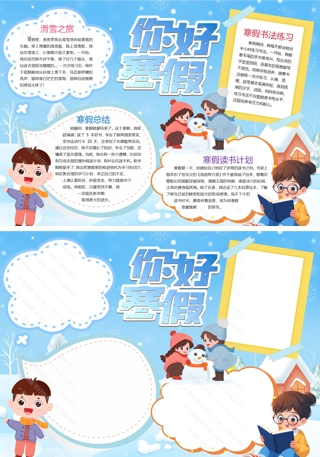
【寒假计划】寒假生活寒假计划冬天卡通小报手抄报Word模版
这套 “你好寒假” 手抄报设计精巧,兼具实用性与美观性,以冬日蓝为主色调,搭配堆雪人、读书等童趣插画,营造出浓厚的假期氛围。版式上分为彩色成品、彩色空白、黑白线稿、浅线稿四种版本,适配不同使用需求。内容板块丰富且贴合小学生生活,“滑雪之旅” 记录户外实践的快乐,“寒假总结” 复盘成长收获,“寒假读书计划” 分享阅读感悟,“寒假书法练习” 展现坚持的意义。各板块以云朵、矩形等边框区分,层次清晰,既为学生提供了优秀的内容范例,空白版本也方便孩子们填充自己的假期故事,是一份兼具展示与创作价值的寒假作业模板。