-
收藏模板
- 模板信息
- 更新时间:2023-09-24
- 字数:约10326字
- 页数:约5页
- 格式:.doc
- 推荐版本:Office2016及以上版本
- 售价:5 金币
您可能喜欢的文档
新人教版高中英语选修1Unit 3 Fascinating Parks教案
2. Explore the significance of the establishment of Sarek National Park.Q1: Which event is the most important one in the park’s history?Ss: The establishment of Sarek national park in 1909 is the most important one.Q2: Is it worth making a place like Sarek a national park? Give your reasons.Ss: Yes. In this way, the place can be kept in its natural state and natural beauties and other rare and valuable resources can be preserved instead of being destroyed by endless exploitation driven by profits.Q3: How does the writer organize his introduction to the history of Sarek?Ss: The writer organizes his introduction in the sequence of time, using time indicators such as “used to”, “around 9,000 years ago”, “soon after”, “following the reindeer”, and “in 1909”.Q4: What is the feature of the language used to introduce the history of the park?Ss: The introduction to the park is to provide facts, using time indicators to organize the events. Sentences starts with “third person” and passive voice is used more often, feeling objective.【设计意图】学生寻找和梳理公园历史上的重要事件,体会人与自然的和谐关系,评鉴介绍性语言的特点。【核心素养提升点】发展自主提取、梳理文本信息能力,训练逻辑思维和高阶思维。Activity 3: Highlighting the secret of the text
新人教版高中英语选修1Unit 1 People of Achievement教案
【设计意图】 基于上述分析,学生总结新闻故事语篇类型的特征,即标题的省略性、导语的概括性、数据的支撑性和引语的重要性。在此过程中,学生对新闻故事语篇类型有了更深层次的了解,对于学生阅读和写作具有重要意义。Activity 7: Discussing to make a writing outline.本活动为实现课时目标3。1.Discuss and make an outline.Ask students to discuss in groups of four and make their own writing outline.To celebrate the 70th anniversary of the People’s Republic of China, our school newspaper starts a new column about “People of Achievement”. You plan to write a news story about one of the winners of the Medal of the Republic in 2019, including Yu Min, Shen Jilan, Sun Jiadong, Li Yannian, Zhang Fuqing, Yuan Longping, Huang Xuhua and Tu Youyou.【设计意图】 教师创设情境,即为庆祝新中国成立70周年,校报新增有关卓有成就人物的栏目,你将从共和国勋章获得者中,选择一位写一篇新闻故事,向该栏目投稿。学生以小组合作形式,展开讨论,并写出新闻故事框架,有助于学生课后收集人物信息,撰写新闻故事。
新人教版高中英语选修1Unit 5 Working the Land教案
1. 完成文本主要信息填空(斜体字部分设空):As a witness to farmers’ poor harvests and even a severe shortage of food, Yuan Longping was determined to devote his life to tackling this crisis. After graduation, he realized that what farmers needed most was to boost yields in the fields. Yuan was convinced that the answer lay in the creation of hybrid rice, one characteristic of which is that it usually achieve higher output than conventional crops. However, it was no easy job. The first difficulty he needed to overcome was scientists’ general assumption that this could not be done. Through trial and error, Yuan managed to generate this incredible crop. It is estimated that about 60 percent of domestic rice consumption in China was comprised of crops generated from Yuan’s hybrid strains. His innovation has enabled Chinese farmers to considerably expand their output and helped feed the world. Unwilling to retire early to a life of leisure and unconcerned about celebrity or fortune, Yuan continues to turn one vision after another into realities.2. 模仿写作:Do some research via the Internet and introduce another agricultural scientist, Chen Risheng(陈日胜), using the structure, expressions and writing techniques you have learnt from the text “A Pioneer for All People”.【设计意图】任务1是对文本内容和词汇学习成效的检测。任务2借助文本中学到的词汇和写作手法仿写另一位科学家,提升学生迁移运用词汇、文体结构和写作方法的能力。
新人教版高中英语选修1Unit 2 Looking into the Future教案
【设计意图】以“新科技是一把双刃剑”为主题开展讨论活动。这个话题比较大,所以给了一定的限制,首先需要以智能家居为例来阐述科技发展对未来生活产生的影响,然后列举其优点和缺点,最后就以上现象发表自己的观点。这个活动是对整个文本的创意性总结与意义的升华,留给学生一定的想象空间,学生借此机会可以运用文本内容和语言表达自己对科技发展的看法和态度。Assignments:1. Finish Exercise 4 on Page 15 of the textbook.A smart home is one that integrated computers into the structure of the building itself. In this way, many of the things that we now do ourselves become automatic. For example, the smart home could control the air conditioning and lights so that you would no longer have to turn switches on and off, and so that your home would be more energy-efficient. The smart home could also monitor itself to make sure that everything is working as it should, and send you warnings if there is a problem. Such smart homes could even be programmed to detect your health problems, and then give you reasonable advice as to the food you should eat or if you should see a doctor. So, in a sense, smart homes will lead us to living smarter lives.2.Create a smart function for your home, and share your creation in the next period.
新人教版高中英语选修1Unit 4 Body Language教案
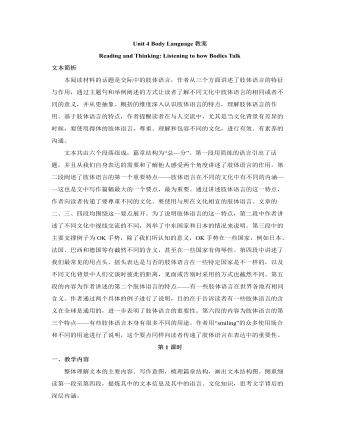
本阅读材料的话题是交际中的肢体语言,作者从三个方面讲述了肢体语言的特征与作用,通过主题句和举例阐述的方式让读者了解不同文化中肢体语言的相同或者不同的意义,并从更抽象、概括的维度深入认识肢体语言的特点,理解肢体语言的作用。基于肢体语言的特点,作者提醒读者在与人交流中,尤其是当文化背景有差异的时候,要使用得体的肢体语言,尊重、理解和包容不同的文化,进行有效、有素养的沟通。文本共由六个段落组成,篇章结构为“总—分”。第一段用简练的语言引出了话题,并且从我们自身表达的需要和了解他人感受两个角度讲述了肢体语言的作用。第二段阐述了肢体语言的第一个重要特点——肢体语言在不同的文化中有不同的内涵——这也是文中写作篇幅最大的一个要点,最为重要。通过讲述肢体语言的这一特点,作者向读者传递了要尊重不同的文化、要使用与所在文化相宜的肢体语言。
- 查看更多相关Word文档
Unit 1 Art教案
Readingand Thinking: A Short History of Western Painting
文本简析
本单元阅读文本的主题是西方绘画简史。通过介绍不同时期的西方绘画以及因各时代代表画家引领而发展出的独特风格,激发读者品鉴艺术历史,探究西方绘画未来可能的发展方向和促进艺术发展的源动力,思考艺术的功能和价值,提高审美素养,崇扬人文价值。
该文本采用说明性文体,以第三者视角客观简述西方绘画发展的四个关键时期,内容紧凑,语言平实,文风平易近人。标题“A Short History of Western Painting”指向文本主题,标示语篇类型。全文以“总—分”建构,分述部分以副标题切分。第一段为总起段,阐述为什么要了解绘画发展史。其余段落以时间为主线,选取代表人物,依次介绍四个不同时期的西方绘画,并在最后留下思考空间,引发对于艺术本质的思考。
在进行文本教学设计时,要帮助学生梳理关于绘画艺术和历史发展相关的话题类语言,包括绘画特点,以及变化发展的相关表达。此外,逻辑功能性语言,例如while… still…, less… more…, …but instead等,也是值得关注的。本文四个时期虽由副标题统领独立成文,但全文在内容过渡、行文逻辑和语言衔接上是串联的整体,在文本梳理中也需特别注意。此外,本课需要关注西方艺术区别于中国艺术的独特魅力,同时要培养发展的眼光看待文化,感受跨越文化的艺术之美。
教学设计(共2课时)
第1课时
一、教学内容
梳理全文信息,了解西方绘画四个时期的代表人物及绘画特色和风格,理清信息的整合方式。
二、课时目标
1. 围绕西方绘画进行主题讨论,根据文本布局和语篇要素预测文本内容,激活背景知识和主题词汇。
2. 运用略读、细读、归纳、整合等阅读策略,梳理文本信息,根据原文逻辑进行加工输出,理清代表人物在西方绘画发展史的作用,并完善对于西方绘画史的认知和理解。
3. 通过文本分析和语篇解读整理西方绘画各时期代表人物的绘画风格,并能够使用相关信息表达观点和解决实际问题。
三、教学过程
Activity1: Leading into the topic about Western painting
本活动旨在落实课时目标1。
1.Brainstormand talk about Western painting.
Studentsbrainstorm and share their knowledge about Western painting.
Q1: Whatdo you think of when talking about Western painting?
Q2: Do youknow any great Western paintings or famous painters? What do you know about them?
Q3: Howdo you like Western paintings? Why?
【设计意图】此活动是导入环节。学生就上述三个问题展开头脑风暴,就主题展开发散联想,激活并储备话题词汇。第一个问题引出主题相关词汇如style, painter, painting, master, work等。第二个问题激活相关背景知识,为预测课文内容作铺垫。第三个问题为评判性问题,引发关于绘画价值的初始思考,为后面深入思考艺术发展做好铺垫。
Activity 2: Predicting and understanding thecontent of the passage
本活动旨在落实课时目标1。
1.Skim thetitle, clarify the layout and predict the content.
Studentsmake predictions about the content of the passage by studying the title, viewingthe pictures and clarifying the layout.
Q1: Whatwill the text be about? How do you know?
S1: Aboutthe history of Western paintings. From the title.
S2: Aboutpaintings. From the pictures.
Q2: In whatorder is the text developed? How do you know?
S1: In timeorder. From the subtitles.
S2: Fromthe word “history”.
【设计意图】引导学生关注语篇要素,通过读标题,看配图,定位中心主题词。运用扫读阅读策略,明确文本布局,纲举目张,整体把控,预测文本内容,创设阅读期待,提高阅读效率,为下一环节的主题讨论做好铺垫。
Activity3: Exploring the purpose of the writing
本活动旨在落实课时目标2。
1.Read forthe writing purpose.
Studentsread paragraph 1 for the writing purpose and check their predictions.
Q1: What’sthe key word or key sentence in this paragraph?
S: The developmentof Western painting over the centuries.
Q2: Whydoes the text tell about the development of Western painting?
S: Becausethe best way to understand Western art is to look at the development of Westernpainting over the centuries. It is hard to give a precise definition of Westernart, and it is impossible to describe so many different styles of western art ina short text either.
Q3: Whydoes the writer ask a question at the beginning?
S: To attractreaders’ attention, and meanwhile to lead into the topic.
【设计意图】通过提炼关键词和关键句归纳段落大意,并根据主题句整体把握文本内容,锻炼学生的概括能力。同时,通过探究写作意图,明确内容走向,凸显阅读主线,提升阅读效度。此外,关注本文“问题导入式”的写作手法,引导学生关注语言和内容双维度融合,并为读后活动中分析作者的写作方法和技巧作铺垫。
Activity4: Unfolding the development of Western painting
本活动旨在落实课时目标2。
1. Skimthe passage for the general idea.
Studentsskim the text to find the general information about the text by answering the followingquestions.
Q1: Howdoes the writer tell about the history/development of Western painting?
S: By showingthe characteristics of the famous painters in each period.
Q2: Whoare mentioned in each period?
S: Giottodi Bondone in the Middle Ages; Masaccio, Leonardo da Vinci, Michelangelo, Raphael,Giotto, Masaccio and Rembrandt in the Renaissance; Claude Monet and Renoir in Impressionism;Picasso in Modern Art.
Q3: Whyare they mentioned?
S: Becausethey are the influential painters.
2. Scanthe passage for detailed information.
Studentsread the text carefully to fill in the box and think about the questions below.
Q1: Howdid painters develop painting?
Q2: Whatrole did they play in the development? Find sentences to support your idea.
Q3: Whydid painters make changes of the former style of painting?
Some ofthe leading questions:
Period 1:The Middle Ages
Q1: Whois mentioned as the important painter? Why is he mentioned?
Q2: Whatdid he do to the paintings?
Q3: Howare his paintings different from the former ones?
Q4: Howcan we understand the structure “While…still…”?
Period 2:The Renaissance
Q1: Whoare mentioned in this period?
Q2: Whyis Giotto also mentioned? What can we infer? How do you know?
Q3: Howmany groups of painters are mentioned?
Q4: Whyis more than one chosen in each group? Find key words to explain.
Q5: Howdid they develop the painting?
Q6: What’sthe meaning of “shift”? Why is “increasingly” put before it?
Period 3:Impressionism
Q1: Wholed the development? How do you know?
Q2: Didhe still build upon the former painters? Why?
Q3: Howare his paintings different?
Q4: What’sthe function of “While”?
Q5: Whoelse also played a part? How?
Period 4:Modern Art
Q1: Didpainters reach an agreement on how to develop the painting?
Q2: Whatdid they share in common?
【设计意图】引导学生扫读文本,定位各个绘画时期的共性,即绘画大师引领艺术发展。明晰共性之后,以此为线,整合并串联文本信息。学生再读文本,根据表格提示,结合文本关键句的理解,梳理完成各个时期绘画大师在继承和发展绘画艺术中所起的作用。在呈现表格内容时,教师根据各段落语言和结构的差异,设计问题链进行追问,深入理解内容,体会衔接连贯,品读语言,为后续解决实际问题做好语言和内容的准备。
Activity5: Integrating and applying
本活动旨在落实课时目标3。
1.Thinkand match.
Studentsmatch the paintings with the right painters based on their understanding of Westernpainting. (Exercise 3 on Page 3)
Q1: Whopainted these paintings? Why do you think so?
Q2: Howare the paintings different from each other?
Q3: Whichpainting do you like most? Why?
【设计意图】学生整合所学知识,并进行运用,解决实际问题,在过程中验证并调整对于西方绘画大师及绘画发展的认识,形成认知体系。在此基础上进行美学欣赏和判断,提升对于艺术的认知和理解。
Assignment:
1.Reviewthe target words and expressions concerning art and paintings.
2.Retellhow Western painting has developed throughout the four periods in time sequence.
【设计意图】运用习得的知识和语言,结合文本结构进行语言输出练习,既巩固内化知识,强化主题语言,又导入第二课时,实现契合衔接。
第2课时
一、教学内容
回顾文本,深度思考,理解绘画或艺术发展变化的原因和驱动力,感受艺术之于生活的价值,并从语言、语篇视角品读文本。
二、课时目标
1. 通过细读文本,探究深意,思考除绘画大师引领之外,绘画艺术发展的内在和外在驱动力,培养深度思考的阅读能力。
2. 通过品读文本语言,建立语言与内容的联系,构建主题语言库,巩固语言学习效果,增强语用正迁移,为语言输出提供语料支撑。
3. 结合文本中得到的启示,谈论对于绘画、艺术的见解,最后通过模仿介绍中国绘画艺术,学以致用,提高思维品质和语言能力。
三、教学过程
Activity1: Retelling the development of Western painting
本活动旨在回顾和复习第一课时的内容。
1.Reviewand retell.
The teacherasks several students to retell how Western painting has developed / how the representativepainters have developed Western painting throughout the four periods.
【设计意图】此活动承上启下,既是对上节课的回顾梳理,也是对本节课深层理解环节的有效铺垫。学生通过第一课时的学习,厘清了西方绘画发展简史,掌握了主题相关的词汇,具备了从文本信息的梳理整合过渡到文本内容的深层理解的能力。
Activity2: Exploring the cause of the development of Western painting
本活动旨在落实课时目标1。
1. Thinkand answer.
Studentsthink about the role painters play in the development based on the following questions.
Q1: Whydoes the author choose these painters as examples?
S: Becausethey are the influential masters and representatives of each period.
Q2: Arethese painters exclusive in each period? What can we infer?
S: No. Somedeveloped and led Western painting into the next period while some created a newstyle. This reflected the particular role those painters played in the development.
2. Rereadand explore.
Studentsre-read the text to find out more about the drive of the development.
Q1: Whatelse helped drive the development of Western painting? How?
Q2: Whydid Giotto di Bondone change his way of painting?
Q3: Whycould/did Leonardo da Vinci and Rembrandt improve the painting skills?
Q4: Beforethe invention of photography, why could paintings flourish for a long time?
Q5: Whathappened after the invention of photography? What can you infer?
【设计意图】引导学生再次细读文章,尤其关注两个时期之间的过渡与衔接,探究绘画艺术变化更迭的诸多原因,如社会需求、科技发展、艺术认知,并从整个历史变化过程抽离出贯穿始终的驱动力——艺术家对艺术本质的不懈追求。培养学生细究文本深层意思的阅读意识和能力。
Activity 3: Predicting the future developmentof Western painting
本活动旨在落实课时目标1。
1.Discussand predict.
Studentswork in groups and discuss the possible development of Western painting.
Q1: Do youthink the art of painting will go on developing?
Q2: Whatare the key factors that may influence the future development?
【设计意图】该环节是一个半开放的活动,学生根据文章预留的内容空白进行头脑风暴。基于已经梳理的关于绘画发展的理解,通过讨论和分析,推测西方绘画可能的发展,学以致用,培养迁移运用能力。
Activity4: Sharing personal insights into art
本活动旨在落实课时目标3。
1.Ponderand share.
Studentsexpress their opinions about art.
Q1: Havethe painters found the answer to the question “What is art?”
Q2: Howwould you answer the question “What is art?”
【设计意图】回归到对本文写作意图的开放性讨论,学习西方绘画发展史是为了更好地了解西方艺术。学生根据自己的理解,结合文章信息和提示,展开想象,发散思路,分享对于艺术的看法。该环节既锻炼口语表达,迁移巩固知识,也在分享过程中启迪思维,打开思路,探究艺术的价值。
转载请注明出处!本文地址:
https://www.lfppt.com/worddetails_7582994.html最新课件教案文档
-

新年好运来福马迎春马年春节小报手抄报
这套以 “新年到好运来” 为主题的 2026 马年手抄报,设计兼顾美观与实用性,包含彩色成品、空白填写版及黑白线稿版,适配不同使用需求。整体风格喜庆活泼,融合传统年味与童趣元素,画面以红橙为主色调,搭配福字、金元宝、红灯笼、烟花等传统装饰,还有孩童放鞭炮的可爱插画,契合春节氛围。内容板块清晰,设有 “春节起源” 栏目,可科普春节古称 “岁首” 及上古祭祀的起源背景;“马年初一” 板块聚焦新年首日习俗,寓意马年吉祥顺遂;“2026 新年心愿” 栏目则为使用者预留了书写美好期许的空间,既具知识性,又能承载个性化祝福,是一份兼具教育意义与互动性的新年手抄报模板。
精选高中生期末评语
1、该生学习态度端正 ,能够积极配合老师 ,善于调动课堂气氛。 能够积极完成老师布置的任务。学习劲头足,听课又专注 ,做事更认 真 ,你是同学们学习的榜样。但是,成绩只代表昨天,并不能说明你 明天就一定也很优秀。所以,每个人都应该把成绩当作自己腾飞的起 点。2、 你不爱说话 ,但勤奋好学,诚实可爱;你做事踏实、认真、为 人忠厚 ,是一个品行端正、有上进心、有良好的道德修养的好学生。在学习上,积极、主动,能按时完成老师布置的作业,经过努力 ,各 科成绩都有明显进步,你有较强的思维能力和学习领悟力,学习也有 计划性,但在老师看来,你的潜力还没有完全发挥出来,学习上还要有持久的恒心和顽强的毅力。
公司2024第一季度意识形态工作联席会议总结
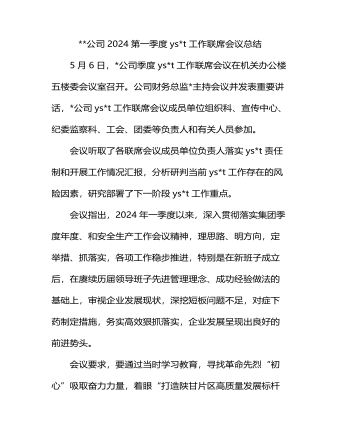
一是要把好正确导向。严格落实主体责任,逐条逐项细化任务,层层传导压力。要抓实思想引领,把理论学习贯穿始终,全身心投入主题教育当中;把理论学习、调查研究、推动发展、检视整改等有机融合、一体推进;坚持学思用贯通、知信行统一,努力在以学铸魂、以学增智、以学正风、以学促干方面取得实实在在的成效。更加深刻领会到******主义思想的科学体系、核心要义、实践要求,进一步坚定了理想信念,锤炼了政治品格,增强了工作本领,要自觉运用的创新理论研究新情况、解决新问题,为西北矿业高质量发展作出贡献。二是要加强应急处事能力。认真组织开展好各类理论宣讲和文化活动,发挥好基层ys*t阵地作用,加强分析预警和应对处置能力,提高发现力、研判力、处置力,起到稳定和引导作用。要坚决唱响主旋律,为“打造陕甘片区高质量发展标杆矿井”、建设“七个一流”能源集团和“精优智特”新淄矿营造良好的舆论氛围。三是加强舆情的搜集及应对。加强职工群众热点问题的舆论引导,做好舆情的收集、分析和研判,把握时、度、效,重视网上和网下舆情应对。
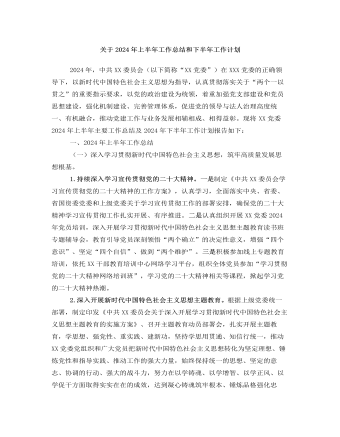
关于2024年上半年工作总结和下半年工作计划
二是深耕意识形态。加强意识形态、网络舆论阵地建设和管理,把握重大时间节点,科学分析研判意识形态领域情况,旗帜鲜明反对和抵制各种错误观点,有效防范处置风险隐患。积极响应和高效落实上级党委的决策部署,确保执行不偏向、不变通、不走样。(二)全面深化党的组织建设,锻造坚强有力的基层党组织。一是提高基层党组织建设力量。压实党建责任,从政治高度检视分析党建工作短板弱项,有针对性提出改进工作的思路和办法。持续优化党建考核评价体系。二是纵深推进基层党建,打造坚强战斗堡垒。创新实施党建工作模式,继续打造党建品牌,抓实“五强五化”党组织创建,广泛开展党员教育学习活动,以实际行动推动党建工作和经营发展目标同向、部署同步、工作同力。三是加强高素质专业化党员队伍管理。配齐配强支部党务工作者,把党务工作岗位作为培养锻炼干部的重要平台。
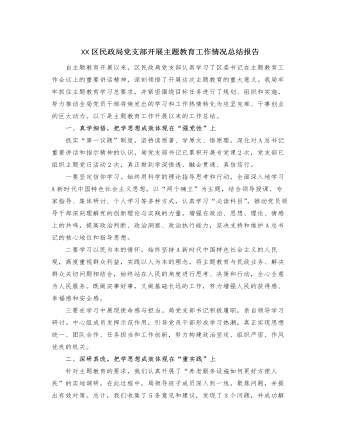
XX区民政局党支部开展主题教育工作情况总结报告
二要专注于解决问题。根据市委促进经济转型的总要求,聚焦“四个经济”和“双中心”的建设,深入了解基层科技工作、学术交流、组织建设等方面的实际情况,全面了解群众的真实需求,解决相关问题,并针对科技工作中存在的问题,采取实际措施,推动问题的实际解决。三要专注于急难愁盼问题。优化“民声热线”,推动解决一系列基层民生问题,努力将“民声热线”打造成主题教育的关键工具和展示平台。目前,“民声热线”已回应了群众的8个政策问题,并成功解决其中7个问题,真正使人民群众感受到了实质性的变化和效果。接下来,我局将继续深入学习主题教育的精神,借鉴其他单位的优秀经验和方法,以更高的要求、更严格的纪律、更实际的措施和更好的成果,不断深化主题教育的实施,展现新的风貌和活力。
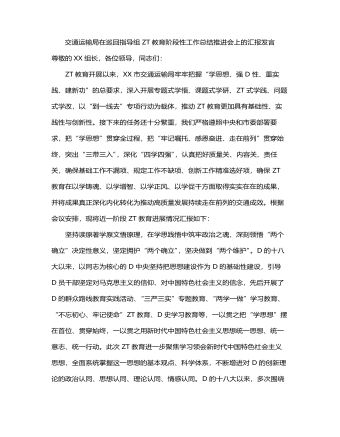
交通运输局在巡回指导组主题教育阶段性工作总结推进会上的汇报发言
今年3月,市政府出台《关于加快打造更具特色的“水运XX”的意见》,提出到2025年,“苏南运河全线达到准二级,实现2000吨级舶全天候畅行”。作为“水运XX”建设首战,谏壁闸一线闸扩容工程开工在即,但项目开工前还有许多实际问题亟需解决。结合“到一线去”专项行动,我们深入到谏壁闸一线,详细了解工程前期进展,实地察看谏壁闸周边环境和舶通航情况,不断完善施工设计方案。牢牢把握高质量发展这个首要任务,在学思践悟中开创建功之业,坚定扛起“走在前、挑大梁、多做贡献”的交通责任,奋力推动交通运输高质量发展持续走在前列。以学促干建新功,关键在推动高质量发展持续走在前列。新时代中国特色社会主义思想着重强调立足新发展阶段、贯彻新发展理念、构建新发展格局,推动高质量发展,提出了新发展阶段我国经济高质量发展要坚持的主线、重大战略目标、工作总基调和方法论等,深刻体现了这一思想的重要实践价值。

今日更新Word
-
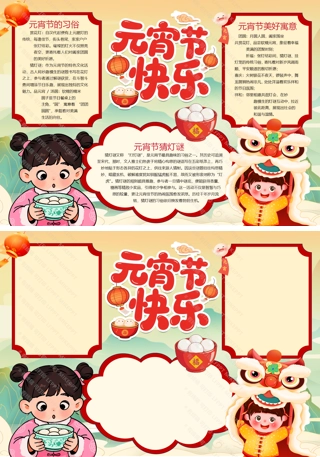
【元宵节】2026马年元宵节手抄报
这套 “元宵节快乐” 手抄报以暖黄为主色调,融入萌娃吃汤圆、醒狮贺岁、红灯笼等元素,年味浓郁且充满童真,包含彩色成品、彩色空白、黑白线稿、浅线稿四种版式,兼顾范例参考与自主创作。内容板块聚焦元宵节核心民俗,“元宵节的习俗” 介绍赏花灯、猜灯谜的传统由来;“元宵节美好寓意” 解读团圆、祈福的文化内涵;“元宵节猜灯谜” 讲述这一趣味活动的历史与魅力。各板块以矩形、云朵形边框清晰划分,层次分明,成品提供详实的民俗知识与文案范例,空白版本便于学生填充个人的元宵经历与感悟,是兼具文化性与实用性的元宵节主题手抄报模板。
【寒假生活】卡通寒假生活冬天小报手抄报Word模版
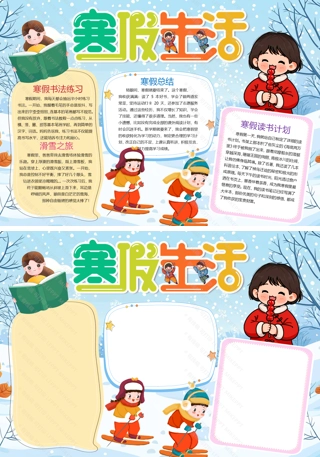
这套 “寒假生活” 手抄报以冬日雪景为基底,搭配滑雪孩童、捧书阅读等童趣插画,色彩明快且充满生活气息,涵盖彩色成品、彩色空白、黑白线稿、浅线稿四种版式,兼顾范例参考与学生自主创作需求。内容板块设计贴合小学生寒假日常,“滑雪之旅” 记录户外滑雪的趣味经历与挑战自我的感悟;“寒假书法练习” 讲述坚持练字的过程与收获;“寒假读书计划” 分享《海底两万里》等书籍的阅读心得;“寒假总结” 复盘假期的学习、运动与志愿服务收获,反思不足并规划新学期。各板块以异形边框清晰划分,层次分明,成品提供优质文案范例,空白版本便于学生填充个人假期故事,是助力小学生梳理寒假生活、记录成长的实用模板。
【迎新年】大年初一拜大年新年福马迎春马年春节小报手抄报
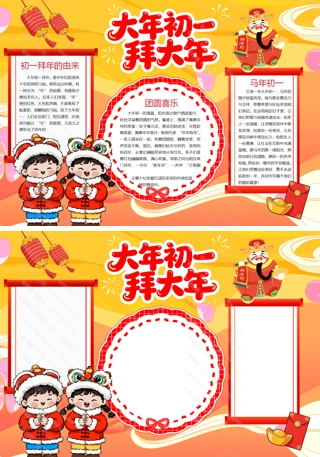
这套 “大年初一拜大年” 手抄报以红金为主色调,融入萌娃拜年、财神送福、红灯笼等元素,年味浓郁且童趣十足,包含彩色成品、彩色空白、黑白线稿、浅线稿四种版式,兼顾范例参考与自主创作。内容板块聚焦大年初一传统习俗,“初一拜年的由来” 讲述年兽传说与拜年习俗的起源;“团圆喜乐” 描绘初一阖家团圆、吃饺子年糕、收红包的温馨场景;“马年初一” 则结合生肖寓意,传递新春的活力与美好祝福。各板块以矩形、圆形边框清晰划分,层次分明,成品提供详实的民俗知识与文案范例,空白版本便于学生填充个人的拜年经历与新春感悟,是兼具文化性与实用性的春节主题手抄报模板。
【寒假计划】我的寒假生活冬天寒假计划小报手抄报Word模版
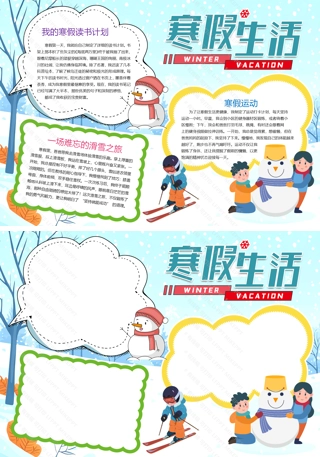
这套 “寒假生活” 手抄报以冬日雪景为背景,融入滑雪、堆雪人等童趣插画,整体风格清新活泼,兼具观赏性与实用性,包含彩色成品、彩色空白、黑白线稿、浅线稿四种版式,适配不同创作需求。内容板块设计贴合小学生寒假生活,“我的寒假读书计划” 记录阅读《海底两万里》等书籍的收获,分享做读书笔记的心得;“一场难忘的滑雪之旅” 讲述滑雪的经历与 “坚持就能成功” 的感悟;“寒假运动” 板块则介绍了每日运动计划与健身收获。各板块以云朵、矩形等异形边框区分,层次分明,成品提供优质内容范例,空白版本便于学生填充个人假期故事,是助力小学生梳理寒假生活的优质模板。
【寒假计划】卡通寒假生活寒假计划冬天小报手抄报Word模版
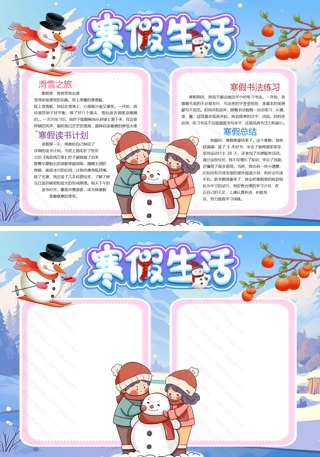
这套 “寒假生活” 手抄报设计充满冬日暖意,以蓝白为主色调,搭配雪人、红柿、孩童堆雪等元素,既显节日氛围又富童真。版式包含彩色成品、彩色空白、黑白线稿、浅线稿四种,兼顾范例参考与自主创作需求。内容板块聚焦寒假核心生活,“滑雪之旅” 记录户外体验的乐趣与挑战,“寒假读书计划” 分享《海底两万里》等书籍的阅读收获,“寒假书法练习” 讲述坚持练字的成长感悟,“寒假总结” 复盘假期的收获与不足。板块以粉色边框清晰划分,内容兼具趣味性与教育性,空白版本则为学生预留了书写个人假期故事的空间,是适配小学生的优质寒假作业模板。
【寒假计划】寒假生活寒假计划冬天卡通小报手抄报Word模版
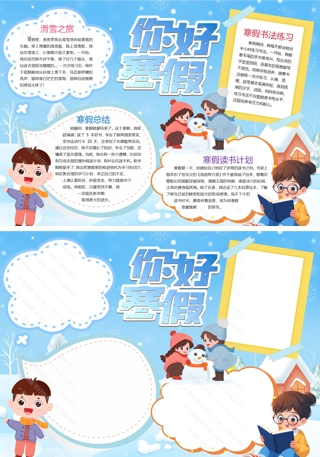
这套 “你好寒假” 手抄报设计精巧,兼具实用性与美观性,以冬日蓝为主色调,搭配堆雪人、读书等童趣插画,营造出浓厚的假期氛围。版式上分为彩色成品、彩色空白、黑白线稿、浅线稿四种版本,适配不同使用需求。内容板块丰富且贴合小学生生活,“滑雪之旅” 记录户外实践的快乐,“寒假总结” 复盘成长收获,“寒假读书计划” 分享阅读感悟,“寒假书法练习” 展现坚持的意义。各板块以云朵、矩形等边框区分,层次清晰,既为学生提供了优秀的内容范例,空白版本也方便孩子们填充自己的假期故事,是一份兼具展示与创作价值的寒假作业模板。