-
收藏模板
- 模板信息
- 更新时间:2023-09-07
- 字数:约11944字
- 页数:约7页
- 格式:.doc
- 推荐版本:Office2016及以上版本
- 售价:5 金币
您可能喜欢的文档
人教版新目标初中英语七年级下册Where is the post office说课稿3篇
Vocabulary:post office, restaurant, bank, supermarket, avenue, pay phone, park, dirty, clean, left, right, next to, across from, near, between, in front of, behindRecycling: hotel, street, new, big, small, busy, Do you want to…?Learning Strategies:Using what you knowDeducingPersonalizingSection ACreate plots and scenes to guide the new lessonThe main content is to learn to ask for and give directions in conversations by introducing some buildings in Section A, so we can adopt the Audiovisual Guiding Method: At first ,review the prepositions that the students have learned, then the teacher can teach some nouns about buildings by showing some pictures or projecting flashcards about some buildings.1. Show a picture of a bank.T:Look at this picture. What place is it ?S:It is a bank.T:Spell it.S: B-A-N-K .Teach other new words : post office, park, supermarket, payphone, street, .Show a map and let students practice in pairs.Is there …… ?Yes, there is. /No, there isn’t.2. Consolidation: Tell us the way to your school.T: Where is the …?S: It’s ….Teach the prepositionsNext to,across from,near,between,in front of,behind.Step1: .Learn some nouns about buildings first, and then the teacher communicates with the students.
人教版新目标初中英语七年级下册Where is your pen pal from教案
2.1Match the country with the language.Step II Reading3a? let the students read the letter fast and answer the questions.? Let the students ask more questions about the letter as possible as the can.Step III Writing3b.Step IV. Pairwork2cStep V Listening2a, 2bStep V. HomeworkExercises book(1) P3Exercises book (2) P3Period FourStep I . Dictate the words and sentences in Unit1.Step II. Self-checkStep III. Check the answers for Exercises book in the unit.Step IV. Home workRevise and preparation for unit 2.教学反思:通过本单元的学习,学生基本可以谈论人们的国籍,居住城市及其所说的语言,通过书信方式去介绍自己并寻找笔友。但在涉及到国外的一些城市时,学生对这方面的知识相对欠缺,能介绍的城市并不多,也反应出学生课前预习不充分,这跟学生学习条件也有关,大多数学生无法通过网络获取所需信息。因此,在以后的教学中要多指导学生通过计算机网络获取信息,拓宽知识面。
人教版新目标初中英语七年级下册Where is your pen pal from说课稿3篇
Activity3a是一篇email形式的阅读文章,并有相关问题由学生在阅读后进 行回答,Activity3b 是根据提供的信息进行填空的写作练习,Activity3c是一篇模仿写作,让学生给自己的笔友写 一封关于本人信息的email。 学情分析 本单元可以在此基础上介绍世界上主要国家的一些情况,如国旗,地理位置,重要标志物及一些重要人物。本单元是上册关于个人基本信息(如姓名、年龄、生日、家庭成员、个人喜好、能力、日常生活及校园活动)方面学习的扩展,学习内容与学生的生活密切相关,语言材料富有实用性,让学生在回顾的同时,介入新的语言点,借此来丰富学生的谈论话题。它融交际功能、语言结构于一体,包含了文化知识、任务型语言学习成分以及语篇材料等内容,通过循序渐进的生活化的学习程序,提高学生运用英语进行听、说、读、写的能力,激活学生已有的文化背景知识,培养学生对中西方文化差异的敏感性,使学生逐步学会在实际情景中恰当而灵活地运用语言,体现语言的工具性、交际性和文化性。 教学目标 1语言目标
人教版新目标初中英语七年级下册I’m watching TV教案
单元分析单元目标: Talk about what people are doing 单元主要句型:1.What are you doing ?I’m doing my homework .2.Do you want to go swimming ?Yes , I do .3.When do you want to go ?At three o’clock .4.What is he doing ?He is watching TV. 单元词汇:watching , doing , eating , cleaning , playing , reading , swimming , shopping , pool ,school , mall , library , wait , talk to , talk about , activity , camero , bird 重点、难点:1.be动词am , is , are的用法;be动词前面我们已经学过,这一单元主要是与分词一起构成现在进行时态,即be (am , is , are)+V-ing,表示正在干什么。它主要是随主语人称的变化而选择不同的。2..现在进行时态上面我们讲be (am , is , are) 时已提及进行时态,其句子的构成情况我们通过下面的两个表格中的问句、答句来具体体现:3.现在分词的构成现在进行时态中be + V - ing 的构成中V-ing被称为现在分词,它的基本构成是动词原形+ing,但也有些特殊情况,下面分几类说明:(1)一般情况+ing如:read→reading,go→going,do→doing,look→looking,listen→listening,watch→watching.(2)以不发音的e结尾的词,去掉e,再加ing.如:write→writing,skate→skating,type→typing,wake→waking,make→making
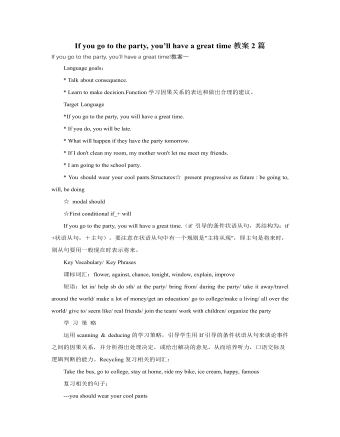
人教版新目标初中英语八年级下册If you go to the party, you’ll have a great time教案2篇
区分宾语从句、定于从句和状语从句宾语从句和状语从句,都叫做主从复合句。宾语从句主要是中考必考的,是初中阶段必掌握的从句,宾语从句主要是掌握三要素,所谓宾语从句,就是宾语在主从复合句当中充当宾语的一个句子,叫做宾语从句。主句的谓语动词是及物动词,后面如果是词或者是短语的话,是简单句,如果是句子的话,肯定是宾语从句。I know that he good at English.就是宾语从句,三要素,一要素是要注意连词,连词一共学了三类连词,一类连词是that口语当中可以省略,就像刚才说的那一句,I hear he is good at English.还有疑问代词、疑问副词,how where when,疑问代词、疑问副词。还有一类连词weather是否的意思,不是状语从句当中的如果,这一定要和如果区分开,这是是否。I don't know if he interested at English。宾语从句要注意if是连词。第二要素是语序,要用陈述举语序。比如说你家有几口人,我们都说How many people are there in you family?但是这是简单句,一旦说成宾语从句,你可以告诉我你家有几口人吗?Could you tell me how many people there are in you family ?
- 查看更多相关Word文档
Where is the post office教案2篇
Where is the post office教案一
I. Teaching analysis
In this unit, students will learn how toexpress the location, how to ask and show the ways. In the course ofconversations, well also review the usage of prepositions and there be.Improve the abilities of solving problems by doing the tasks. The content ofthis unit is close to life, and it is very practical, students will beinterested in it. But it is also a little hard to some lower students, soteacher should pay attention to the difficulty degrees when designing thetasks, to fit different students.
II. Teaching targets
1. Knowledge and abilities
Learn how to ask and show the ways, and candescribe the place.
2. Process and methods
Learn the prepositions by introducing ones’ own family district. Practicing asking and showing the ways byimitated asking ways activities.
3. Moral education
Learn asking for help politely. And alwaysget ready to help others.
III. Important and difficult points
Important points:
1. How to ask for and give directions on thestreet.
2. Describe what there is in some place.
Difficult points:
1. Using the way to ask for and givedirections on the street.
2. Describe some place.
IV. Teaching method
Communication, and solving task methods.
V. Periods
First period: learn to describe the locationrelationship between one place and other buildings. (Learn the prepositions)
Second period: Learn how to ask the locationof one place. (Review the prepositions, learn adjectives and asking ways)
Third period: Learn how to show the ways tosome places. (Review the prepositions, adjectives and showing ways)
Fourth period: Can describe places.
VI. Task design

VII. Teaching steps
The First Period
Step 1: Greeting
Step 2: Show the new words in 1a.
T: If you want to borrow some books, you cango to the library. Do you know what library means? Can you make a sentence with“library”?
Step 3: Practice
Activity 1a.
Make a dialogue in pairs.
Sentences: Is there a ... in the picture?
Where is it?
Learn to use “in fount of, behind,next to, cross from”.
Step 4: Listening
Activity 2a & 2b.
Step 5: Game
Where is my best friend?
Let the students describe their best friendsand the rest of the students guess who he/she is. (See who has the mostfriends?)
Step 6: Homework
The Second Period
Step 1: Free talk
Discuss you school
Step 2:
Discuss the school. When describing thelocations, give them the adjectives.
Use: Is there a ...? Is it clean?
Step 3:
Task: I am the headmaster—design the ideal school
Group discussion; introduce the new schoolthat you have designed. Each group chooses the best one to report. And choosethe best design in class.
The Third Period
Step 1:
Task one: Look at the pictures and learn thesentences of asking the ways. (Section A 3a)
Step 2:
Task two: Find a student to turn right orleft or go straight according to the teacher’s order, to find thenext student that play the game.
Step 3:
Task three: Listening part of Section B 2a 2b
Step 4:
Task four: Invite the students to go to yourhome. And describe the route and draw a map. Mark some of the importantbuildings in the map.
The Fourth Period
Step 1:
Task one: Draw your home district, and introduceyour district.
Step 2:
Task two: Describe the route, Self check 3
Step 3:
Task three: Make a nice showing routebooklet. (Creative tasks)
read 3a & 3b→choose one place(park or mall street)→writearticles.
Where is the postoffice?教案二
Topic: Countries, nationalities, and languages
Functions: Talk about countries, nationalitiesand languages
Ask andtell about where people live
Structure: Wheres/Wherere ...from?
Where does/do ...from?
What questions----What language does/do...speak?
Target language: Where is she from?She isfrom....
Where does she live?She lives in....
What language does she speak?She speaks....
Vocabulary: words about countries, languages
Teaching design: The whole unit needs 5periods, 4 for new lessons and 1 for test
Period1 ( 1a----Grammar Focus )
Key points: Where is your/Johns pen palfrom?He/She is from...
Where does he/she live?He/She lives in....
(Homework for preview)Pre-task: Let the Ss givethemselves pen pals and they should write down their pen pals information,such as their names, countries and cities they live even the language theyspeak
T can give the Ss an example meanwhile T givesthe different countries which can be used by the Ss. T gives the Ss Chinesewords for the countries, they are following: 加拿大,法国,日本,美国,澳大利亚,新加坡,英国,中国( The Ss can look them up in the dictionary if they are new for them)
Theexample is following:
Name: Curry Muray
Age: 75
From(Nationality): the United States
City: New York
Language: English
Teaching Steps:
Step 1 Leading-inThe information of theteachers own pen pals information.
"I have a pen pal. His name is Curry Muray.He is from the United States. Do you have a pen pal? Where is your pen palfrom? Whats your pen pals name?"
Different students say the information abouttheir own pen pals. T should choose the different countries. T writes thedifferent countries on the Bb(both Chinese and English)
Step 2Learning
Section A 1a Learn the new words on the Bb. Thenew words are:
pen pal; Canada; France; Japan; the UnitedStates(the US/the USA/America); Australia; Singapore; the United Kingdom(theU.K./Great Britain/England)
Pay attention to the pronuciation of the new words.
Step 3 Listening
1b Listen and circle the countries in 1a theylearned
Step 4Competition
Two groups of students to write the new words tosee which group does better. First write down the Chinese words with looking atthe English meanings, then write down the English words with looking at theChinese meanings.
(This step is a memory game. It can help the Ssconsolidate the new words they learned)
Step 5 Pairwork
1c Practise the following conversation:
---Do you have a pen pal?---Yes, I do.
---Wheres your pen pals from?----He/She isfrom ....(Write it down on the Bb)
First T has a conversation with one student asan example then let the Ss practise in pairs. At last let several pairs do itagain in class.
Step 6Leading-in
Revise the countries names with looking at theBb. Then T writes down the city names on the Bb. Let the Ss try to find outwhich countries the cities are in. The city names are following:
Toronto; Paris; Tokyo; New York; Sydney;Singapore; London;
Step 7Learning
2aLearn the city names together with the wholeclass just like Step 2
2b Listenand circle the cities and countries
2c Listenand complete the chart
Have a similar competition to consolidate thenew words in this part.
Step 8 Pairwork
T has a conversation with one student like thefollowing:
---Do you have a pen pal?---Yes, I do.
---Whats your pen pals name? ---His/Her nameis....
---Where is your pen pal from? ---He/She isfrom...
---Where does he/she live? ---He/She livesin....(Write it down on the Bb)
Let the Ss practise after the Ts example inpairs then several pairs do it in class.
Step 9 Exercise
My pen pal is from Australia.(划线提问)
Johns pen pal is from Japan. (划线提问)
He lives in Paris. (划线提问)
Homework: Read and copy the new words .
Copy the sentences in Grammar Focus
Make up the questions about Jodie in 2c Thequestions are:
Does Jodie have a pen pal? Where is Jodies penpal from? Where does he/she live? Whats his/her name?(This one can be chosenby themselves)
Period 2 (3a----Section B 2c)
转载请注明出处!本文地址:
https://www.lfppt.com/worddetails_92248359.html最新课件教案文档
-

新年好运来福马迎春马年春节小报手抄报
这套以 “新年到好运来” 为主题的 2026 马年手抄报,设计兼顾美观与实用性,包含彩色成品、空白填写版及黑白线稿版,适配不同使用需求。整体风格喜庆活泼,融合传统年味与童趣元素,画面以红橙为主色调,搭配福字、金元宝、红灯笼、烟花等传统装饰,还有孩童放鞭炮的可爱插画,契合春节氛围。内容板块清晰,设有 “春节起源” 栏目,可科普春节古称 “岁首” 及上古祭祀的起源背景;“马年初一” 板块聚焦新年首日习俗,寓意马年吉祥顺遂;“2026 新年心愿” 栏目则为使用者预留了书写美好期许的空间,既具知识性,又能承载个性化祝福,是一份兼具教育意义与互动性的新年手抄报模板。
精选高中生期末评语
1、该生学习态度端正 ,能够积极配合老师 ,善于调动课堂气氛。 能够积极完成老师布置的任务。学习劲头足,听课又专注 ,做事更认 真 ,你是同学们学习的榜样。但是,成绩只代表昨天,并不能说明你 明天就一定也很优秀。所以,每个人都应该把成绩当作自己腾飞的起 点。2、 你不爱说话 ,但勤奋好学,诚实可爱;你做事踏实、认真、为 人忠厚 ,是一个品行端正、有上进心、有良好的道德修养的好学生。在学习上,积极、主动,能按时完成老师布置的作业,经过努力 ,各 科成绩都有明显进步,你有较强的思维能力和学习领悟力,学习也有 计划性,但在老师看来,你的潜力还没有完全发挥出来,学习上还要有持久的恒心和顽强的毅力。
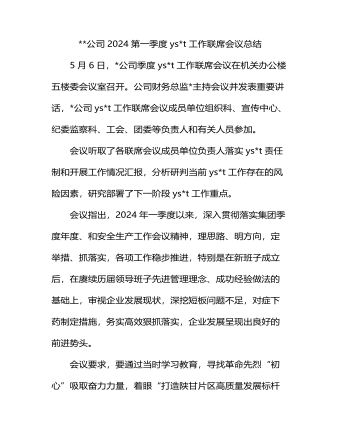
公司2024第一季度意识形态工作联席会议总结
一是要把好正确导向。严格落实主体责任,逐条逐项细化任务,层层传导压力。要抓实思想引领,把理论学习贯穿始终,全身心投入主题教育当中;把理论学习、调查研究、推动发展、检视整改等有机融合、一体推进;坚持学思用贯通、知信行统一,努力在以学铸魂、以学增智、以学正风、以学促干方面取得实实在在的成效。更加深刻领会到******主义思想的科学体系、核心要义、实践要求,进一步坚定了理想信念,锤炼了政治品格,增强了工作本领,要自觉运用的创新理论研究新情况、解决新问题,为西北矿业高质量发展作出贡献。二是要加强应急处事能力。认真组织开展好各类理论宣讲和文化活动,发挥好基层ys*t阵地作用,加强分析预警和应对处置能力,提高发现力、研判力、处置力,起到稳定和引导作用。要坚决唱响主旋律,为“打造陕甘片区高质量发展标杆矿井”、建设“七个一流”能源集团和“精优智特”新淄矿营造良好的舆论氛围。三是加强舆情的搜集及应对。加强职工群众热点问题的舆论引导,做好舆情的收集、分析和研判,把握时、度、效,重视网上和网下舆情应对。
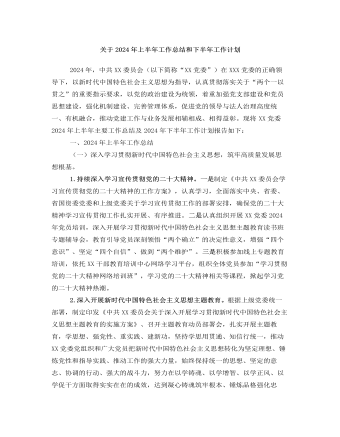
关于2024年上半年工作总结和下半年工作计划
二是深耕意识形态。加强意识形态、网络舆论阵地建设和管理,把握重大时间节点,科学分析研判意识形态领域情况,旗帜鲜明反对和抵制各种错误观点,有效防范处置风险隐患。积极响应和高效落实上级党委的决策部署,确保执行不偏向、不变通、不走样。(二)全面深化党的组织建设,锻造坚强有力的基层党组织。一是提高基层党组织建设力量。压实党建责任,从政治高度检视分析党建工作短板弱项,有针对性提出改进工作的思路和办法。持续优化党建考核评价体系。二是纵深推进基层党建,打造坚强战斗堡垒。创新实施党建工作模式,继续打造党建品牌,抓实“五强五化”党组织创建,广泛开展党员教育学习活动,以实际行动推动党建工作和经营发展目标同向、部署同步、工作同力。三是加强高素质专业化党员队伍管理。配齐配强支部党务工作者,把党务工作岗位作为培养锻炼干部的重要平台。
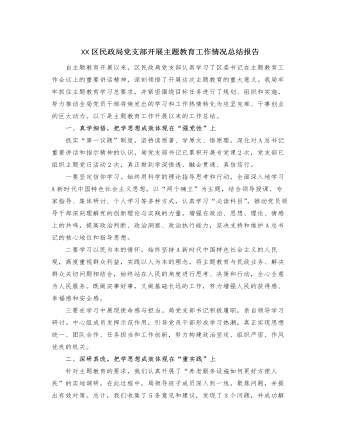
XX区民政局党支部开展主题教育工作情况总结报告
二要专注于解决问题。根据市委促进经济转型的总要求,聚焦“四个经济”和“双中心”的建设,深入了解基层科技工作、学术交流、组织建设等方面的实际情况,全面了解群众的真实需求,解决相关问题,并针对科技工作中存在的问题,采取实际措施,推动问题的实际解决。三要专注于急难愁盼问题。优化“民声热线”,推动解决一系列基层民生问题,努力将“民声热线”打造成主题教育的关键工具和展示平台。目前,“民声热线”已回应了群众的8个政策问题,并成功解决其中7个问题,真正使人民群众感受到了实质性的变化和效果。接下来,我局将继续深入学习主题教育的精神,借鉴其他单位的优秀经验和方法,以更高的要求、更严格的纪律、更实际的措施和更好的成果,不断深化主题教育的实施,展现新的风貌和活力。
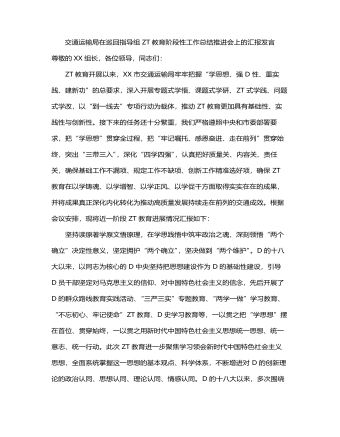
交通运输局在巡回指导组主题教育阶段性工作总结推进会上的汇报发言
今年3月,市政府出台《关于加快打造更具特色的“水运XX”的意见》,提出到2025年,“苏南运河全线达到准二级,实现2000吨级舶全天候畅行”。作为“水运XX”建设首战,谏壁闸一线闸扩容工程开工在即,但项目开工前还有许多实际问题亟需解决。结合“到一线去”专项行动,我们深入到谏壁闸一线,详细了解工程前期进展,实地察看谏壁闸周边环境和舶通航情况,不断完善施工设计方案。牢牢把握高质量发展这个首要任务,在学思践悟中开创建功之业,坚定扛起“走在前、挑大梁、多做贡献”的交通责任,奋力推动交通运输高质量发展持续走在前列。以学促干建新功,关键在推动高质量发展持续走在前列。新时代中国特色社会主义思想着重强调立足新发展阶段、贯彻新发展理念、构建新发展格局,推动高质量发展,提出了新发展阶段我国经济高质量发展要坚持的主线、重大战略目标、工作总基调和方法论等,深刻体现了这一思想的重要实践价值。

今日更新Word
-
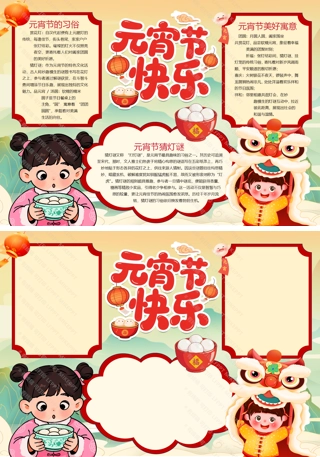
【元宵节】2026马年元宵节手抄报
这套 “元宵节快乐” 手抄报以暖黄为主色调,融入萌娃吃汤圆、醒狮贺岁、红灯笼等元素,年味浓郁且充满童真,包含彩色成品、彩色空白、黑白线稿、浅线稿四种版式,兼顾范例参考与自主创作。内容板块聚焦元宵节核心民俗,“元宵节的习俗” 介绍赏花灯、猜灯谜的传统由来;“元宵节美好寓意” 解读团圆、祈福的文化内涵;“元宵节猜灯谜” 讲述这一趣味活动的历史与魅力。各板块以矩形、云朵形边框清晰划分,层次分明,成品提供详实的民俗知识与文案范例,空白版本便于学生填充个人的元宵经历与感悟,是兼具文化性与实用性的元宵节主题手抄报模板。
【寒假生活】卡通寒假生活冬天小报手抄报Word模版
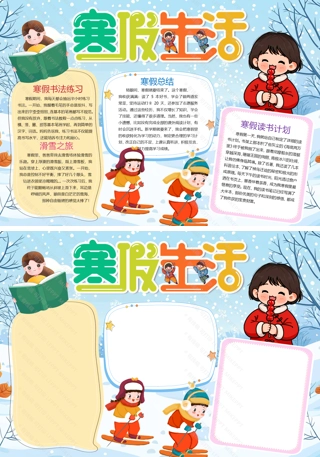
这套 “寒假生活” 手抄报以冬日雪景为基底,搭配滑雪孩童、捧书阅读等童趣插画,色彩明快且充满生活气息,涵盖彩色成品、彩色空白、黑白线稿、浅线稿四种版式,兼顾范例参考与学生自主创作需求。内容板块设计贴合小学生寒假日常,“滑雪之旅” 记录户外滑雪的趣味经历与挑战自我的感悟;“寒假书法练习” 讲述坚持练字的过程与收获;“寒假读书计划” 分享《海底两万里》等书籍的阅读心得;“寒假总结” 复盘假期的学习、运动与志愿服务收获,反思不足并规划新学期。各板块以异形边框清晰划分,层次分明,成品提供优质文案范例,空白版本便于学生填充个人假期故事,是助力小学生梳理寒假生活、记录成长的实用模板。
【迎新年】大年初一拜大年新年福马迎春马年春节小报手抄报
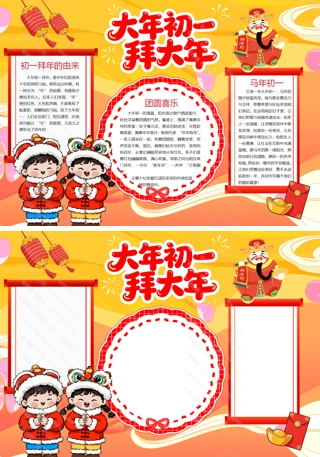
这套 “大年初一拜大年” 手抄报以红金为主色调,融入萌娃拜年、财神送福、红灯笼等元素,年味浓郁且童趣十足,包含彩色成品、彩色空白、黑白线稿、浅线稿四种版式,兼顾范例参考与自主创作。内容板块聚焦大年初一传统习俗,“初一拜年的由来” 讲述年兽传说与拜年习俗的起源;“团圆喜乐” 描绘初一阖家团圆、吃饺子年糕、收红包的温馨场景;“马年初一” 则结合生肖寓意,传递新春的活力与美好祝福。各板块以矩形、圆形边框清晰划分,层次分明,成品提供详实的民俗知识与文案范例,空白版本便于学生填充个人的拜年经历与新春感悟,是兼具文化性与实用性的春节主题手抄报模板。
【寒假计划】我的寒假生活冬天寒假计划小报手抄报Word模版
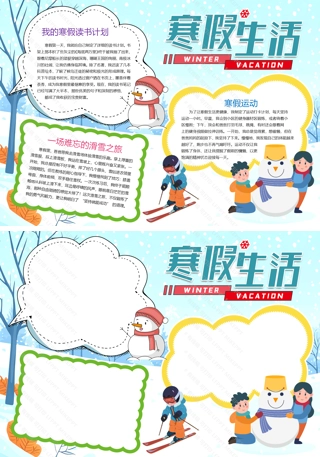
这套 “寒假生活” 手抄报以冬日雪景为背景,融入滑雪、堆雪人等童趣插画,整体风格清新活泼,兼具观赏性与实用性,包含彩色成品、彩色空白、黑白线稿、浅线稿四种版式,适配不同创作需求。内容板块设计贴合小学生寒假生活,“我的寒假读书计划” 记录阅读《海底两万里》等书籍的收获,分享做读书笔记的心得;“一场难忘的滑雪之旅” 讲述滑雪的经历与 “坚持就能成功” 的感悟;“寒假运动” 板块则介绍了每日运动计划与健身收获。各板块以云朵、矩形等异形边框区分,层次分明,成品提供优质内容范例,空白版本便于学生填充个人假期故事,是助力小学生梳理寒假生活的优质模板。

【寒假计划】卡通寒假生活寒假计划冬天小报手抄报Word模版
这套 “寒假生活” 手抄报设计充满冬日暖意,以蓝白为主色调,搭配雪人、红柿、孩童堆雪等元素,既显节日氛围又富童真。版式包含彩色成品、彩色空白、黑白线稿、浅线稿四种,兼顾范例参考与自主创作需求。内容板块聚焦寒假核心生活,“滑雪之旅” 记录户外体验的乐趣与挑战,“寒假读书计划” 分享《海底两万里》等书籍的阅读收获,“寒假书法练习” 讲述坚持练字的成长感悟,“寒假总结” 复盘假期的收获与不足。板块以粉色边框清晰划分,内容兼具趣味性与教育性,空白版本则为学生预留了书写个人假期故事的空间,是适配小学生的优质寒假作业模板。
【寒假计划】寒假生活寒假计划冬天卡通小报手抄报Word模版
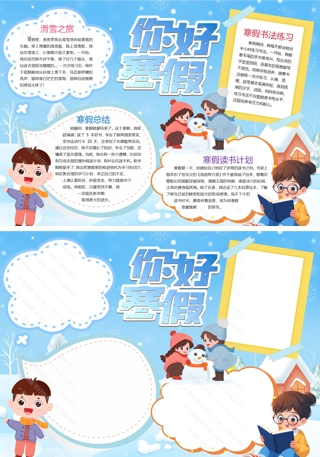
这套 “你好寒假” 手抄报设计精巧,兼具实用性与美观性,以冬日蓝为主色调,搭配堆雪人、读书等童趣插画,营造出浓厚的假期氛围。版式上分为彩色成品、彩色空白、黑白线稿、浅线稿四种版本,适配不同使用需求。内容板块丰富且贴合小学生生活,“滑雪之旅” 记录户外实践的快乐,“寒假总结” 复盘成长收获,“寒假读书计划” 分享阅读感悟,“寒假书法练习” 展现坚持的意义。各板块以云朵、矩形等边框区分,层次清晰,既为学生提供了优秀的内容范例,空白版本也方便孩子们填充自己的假期故事,是一份兼具展示与创作价值的寒假作业模板。