-
收藏模板
- 模板信息
- 更新时间:2023-09-24
- 字数:约6798字
- 页数:约5页
- 格式:.docx
- 推荐版本:Office2016及以上版本
- 售价:5 金币
您可能喜欢的文档
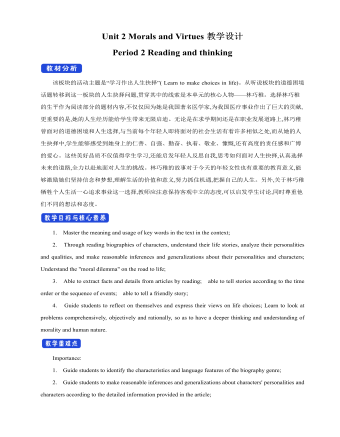
新人教版高中英语必修3Unit 2 Morals and Virtues教学设计二
Activity 41. Students complete the task of activity 4, then teachers and students check the answers. 2. The teacher organized the students to work together and asked them to use the tables and mind maps sorted out before to retold the important choices in Lin Qiaozhi's life and their resultsStep 5 Language points1. The teacher asks the students to read the text carefully, find out the core words and long and difficult sentences in the text and draw lines, understand the use of vocabulary, and analyze the structure of long and difficult sentences. 2. The teacher explains and summarizes the usage of core vocabulary and asks the students to take notes. 3. The teacher analyzes and explains the long and difficult sentences that the students don't understand, so that the students can understand them better. Step 6 Homework1. Read the text again, in-depth understanding of the text; 2. Master the use of core vocabulary and understand the long and difficult sentences. 3. Complete relevant exercises in the guide plan. 1、通过本节内容学习,学生是否理解和掌握阅读文本中的新词汇的意义与用法;2、通过本节内容学习,学生能否结合文本特点总结林巧稚的人生原则和人格品质特征;3、通过本节内容学习,学生能否针对人生抉择发表自己的看法;能否全面地、客观地、理性地看待问题,进而对道德和人性有更加深入的思考和理解。
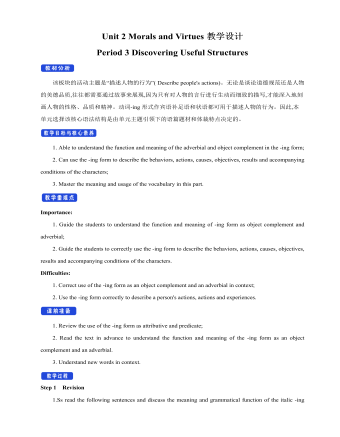
新人教版高中英语必修3Unit 2 Morals and Virtues教学设计三
The joke set her crying.这个玩笑使她哭起来。Step 5 ReadingActivity 31. Students read the small text in activity 3. The teacher provides several small questions to check whether students understand the content of the text and the ideographic function of the -ing form in the text.*Where are those people?*Why did Dr Bethune come to China?*How did he help the Chinese people during the war?*What did Chairman Mao Zedong say about him?2. Ss try to rewrite some sentences using the -ing form. Then check the answers. When checking the answers, the teacher can ask different students to read the rewritten sentences and give comments.Answers:1. he became very interested in medicine, deciding to become a doctor.2. …after hearing that many people were dying in the war.3. Helping to organise hospitals, he taught doctors and nurses, and showed people how to give first aid./ He helped to organise hospitals, teaching doctors and nurses, and showing people how to give first aid.4. …praising Dr Bethune as a hero to be remembered in China.Step 6 PracticeActivity 4Students complete grammar activities 2 and 3 on page 69 of the workbook.Step 6 Homework1. Understand and master the functions and usage of the -ing form;2. Finish the other exercises in Using structures.1、通过本节内容学习,学生是否理解和掌握动词-ing形式作宾语补足语语和状语语的功能和意义;2、通过本节内容学习,学生能否正确使用动词-ing形式描述人物的行为、动作及其经历;3、通过本节内容学习,学生能否独立完成练习册和导学案中的相关练习。
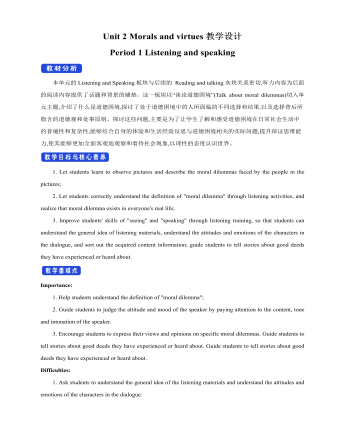
新人教版高中英语必修3Unit 2 Morals and virtues教学设计一
(2) students are divided into groups according to the requirements of activity 3. Each student shares a story of personal experience or hearing-witnessing kindness, and then selects the most touching story in the group and shares it with the whole class. Before the students share the story, the teacher can instruct them to use the words and sentence patterns in the box to express. For example, the words in the box can be classified:Time order: first of all, then, after that, later, finally logical relationship :so, however, although, butTeachers can also appropriately add some transitional language to enrich students' expression:Afterwards, afterwards, at last, in the end, eventuallySpatial order: next to, far from, on the left, in front ofOtherwise, nevertheless, as a result, therefore, furthermore, in addition, as well asSummary: in a word, in short, on the whole, to sum up, in briefStep 8 Homework1. Understand the definition of "moral dilemma" and establish a correct moral view;2. Accumulate vocabulary about attitudes and emotions in listening texts and use them to express your own views;3. Complete relevant exercises in the guide plan.1、通过本节内容学习,学生能否理解理解“道德困境”的定义;2、通过本节内容学习,学生能否通过说话人所表达的内容、说话的语气、语调等来判断其态度和情绪;3、通过本节内容学习,学生能否针对具体的道德困境发表自己的看法和见解,能否掌握听力理训练中的听力策略。
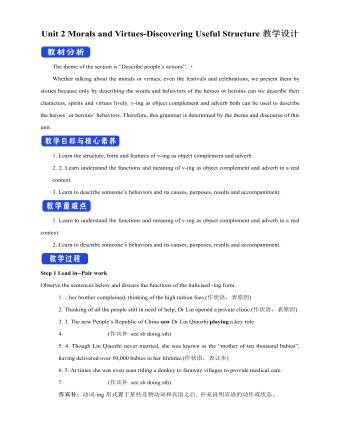
新人教版高中英语必修3Unit 2 Morals and Virtues-Discovering Useful Structure教学设计
1. 表示时间。Hearing these stories, I’m skeptical about the place. = When I heard these stories. . . 2. 表示原因。Not knowing his address, I can’t send this book to him. = Because/Since/As I don’t know his address. . . 3. 表示结果。His father died, leaving him a lot of money. =. . . and left him a lot of money4. 表示条件。Going straight down the road, you will find the department store. = If you go straight down the road. . . 5. 表示让步。Being tired, they went on working. =Although they were tired. . . 6. 表示行为方式、伴随情况或补充说明。He lay on the grass, staring at the sky for a long time. =. . . and stared at the sky for a long time注意:非谓语动词作状语时, 如所提供的动词不能和句子中的主语保持一致, 动词-ing形式必须有自己的逻辑主语, 通常由名词或代词来担任, 这就是独立主格结构。The last bus having gone, we had to walk home. (having gone的逻辑主语是the last bus, 而不是we)Weather permitting, the football match will be played on Friday. (permitting的逻辑主语是time, 而不是the football match)Step 7 Practice1. ________(study) hard, you are sure to get first prize. 2. People use plastic in their daily life, _______(leave) large amounts of waste. 3. ________(work) hard at your lessons, you are to succeed. 4. The old man, ____________(work) abroad for twenty years, is on the way back to his motherland. 5. ______________(finish) his homework, he was playing on the playground. Answers: 1. Studying 2. leaving 3. Working 4.having worked 5. Having finishedStep 8 HomeworkFinish the homework on Page 22.
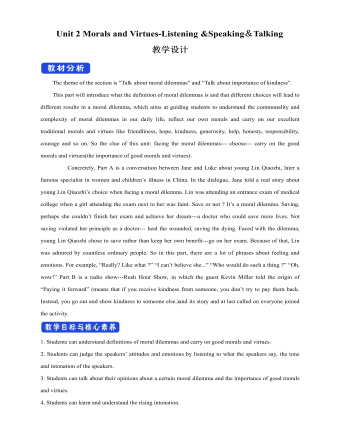
新人教版高中英语必修3Unit 2 Morals and Virtues-Listening &Speaking&Talking教学设计
Example:One day, a poor boy who was trying to pay his way through school by sending newspapers door to door found that he only had one dime(一角)left. He was so hungry that he decided to beg for a meal at the next house.However, he lost his nerve when a lovely young woman opened the door. Instead of a meal he asked for a drink of water. She thought he looked hungry so she brought him a large glass of milk. He drank it slowly, and then asked, “How much do I owe you?” “You don’t owe me anything,” she replied, “Mother has taught me never to accept pay for a kindness.” “Then I thank you from the bottom of my heart.” With these words, Howard Kelly left that house.Years later the woman became badly ill and was finally sent to the hospital in a big city. Dr. Howard Kelly, now famous, was called in. When he heard the name of the town she came from, a strange light filled his eyes. Dressed in his doctor’s clothes, Dr. Kelly went into her room and recognized her at once. From that day on, he gave special attention to her, and decided to do his best to save her life.At last the woman was saved. Dr. Kelly asked the business office to pass the final bill to him. He looked at it and then wrote something on the side. The bill was sent to the woman’s room. She was afraid to open it because she was sure that it would take the rest of her life to pay for it off. Finally she looked, and the note on the side of the bill caught her attention. She read these words: “Paid in full with a glass of milk, Dr. Howard Kelly.” Tear of joy flooded her eyes.
- 查看更多相关Word文档
Unit 2 Morals and Virtues教学设计
Period 4 Readingfor writing
该板块的活动主题是“分享关于一个道德故事的看法”( Share your opinions about a moralstory)。前面的 Listening and Talking板块重点讨论人的日常行为与为人处世的态度,而此处的读写板块则聚焦人的社会责任。教材选取了一则寓言故事《路中央的石头》作为阅读内容。寓言故事大多富有教育意义或隐含深刻的道理。因此,学生不仅要理解故事的表层含义,还要学会解读其深层内涵。例如:文中的“石头”象征着什么?搬石头的女孩与其他人有什么不同?如果将整个故事进行联想和引申,联系到个人生活或整个社会现状,又表达了怎样的含义?作为个体的人,面对社会问题应承担怎样的责任?这些都是值得学生深入探讨的问题。该板块要求学生写故事评论,目的正是让他们对故事进行由表及里的分析,正确解读作者的观点,同时合理组织语言,表达自己的感悟和看法。
1. Read fables,understand the content of the stories and the implied moral education;
2. Able tounderstand the differences in usage and meaning of some key words and use themcorrectly according to the context;
3. Learn andunderstand the Confucian thought of "benevolence, righteousness,propriety, wisdom and faith" and establish correct moral and values;
4. Be able towrite a clear, structured story review.
Importance:
1. Guide studentsto analyze the deep connotation of moral stories through the comparison ofcharacters words and deeds;
2. Help studentsto express their own opinions and opinions based on real life cases;
3. Instruct thestudents to write a clear and structured story review.
Difficulties:
1. Systematicallyexpress my own opinions and opinions on real life cases in English;
2. Independentlywrite a story review with clear viewpoints and distinct layers.
1. Read thepassage in advance, understand the meaning of the new words and phrases in thetext and understand the content of the article by referring to the context andthe dictionary.
2. Understand theliterary genre of allegory, the concise and incisively language, the simple butexpressive plot, the decorative techniques used and the profound truth of theeducational significance revealed.
Step 1 Learning new words
The teacher showsthe pictures or uses the stick figure to draw the new words or phrases in theteaching text.
Step 2 Reading
Activity 1
1.Look at thethree questions in activity 1 and then read the fable.
① What was the king’s idea for teaching an important lesson to hispeople?
②What was the response from most of the people?
③ What did the young girl think and do when she saw the coins?
2.The teacher asksthe students to sort out the origin, history and result of the story and thenanswer the questions.
3.Finally, ask thestudents to summarize the main idea of the story in one or two sentences.
Teachers canprovide some sentence patterns to help students answer questions:
* The king placed the stone in the road because he…
*Most people… but they…
*The young girl…and…
Suggested answers:
①He put a hugestone in the middle of a road, and watched to see if anyone would move it.
② Most of thepeople just got upset that the stone was in their way.
③ She thought that the money belonged to someone else and thatit should be returned.
Activity 2
1. Get the textdetails.Students worked in pairs to find out the different experiences andreactions of each passerby in the passage, and judged their emotions andattitudes according to the details.
2. Then theycompleted the form of activity 2.The teacher may ask the students to writecomplete sentences and use as many different sentence patterns as possible.Suchas:
*The milkman crashed into the stone, which made him very angry, but he went away from the stone.
*After crashing into the stone, the milkman was angry and then he went away.
*The milkman was very angry about crashing into the stone, but he just went away.
Activity 3
1. Students candiscuss the two questions in action 3.
①What do you think this fable is trying to tell us? Do you think the kingwas wise? Why or why not?
②Can you think of times in your own life when you felt and acted like thegirl or like the other people in the story? Give examples.
2. Teachers canencourage students to express their own unique views and opinions, and expandand develop them appropriately.
Suggested Answers
①The moral of the story is that we should alltake responsibility for our community. I dont think that the king was verywise, however,because no one learned anything from his experiment. The milkman,the woman with her water pot, and the other villagers continued on theirtravels without having changed their attitudes at all. The king did find oneresponsible young girl, but she was already a responsible person before sheencountered the stone in the road.
②There have been times when I have acted responsibly like the girl in thestory. For example, I recently saw some children playing on a dangerousbalcony, and so I warned them it was dangerous and had them go somewhere elseto play. However,often Im more like the milkman in the story because Im verybusy with my own work and worries.
Step 3 Analyzing article structure
Activity 4
1.The teacherbriefly introduces the definition, characteristics and requirements of thestory comment, then asks the students to browse the writing outline in activity4, understand the frame layout of the story comment, and summarizethe main points of each paragraph according to the questions listed.
2.Students shouldhave a group discussion on the questions in different paragraphs, find out theanswers to the questions first, then discuss how to form sentences withdifferent details and what sentence patterns can be used, and list thesesentence patterns.
3.Teachers askdifferent groups to report the answers to the questions and ask them to trydifferent sentence patterns.The teacher added some sentence patterns forstudents to refer to when writing.
Step 4 Writing task
Activity 5
1.Write the firstdraft.Students first review the evaluation criteria in activity 5, and thenindependently complete the draft according to the outline of activity 4, theanswers to the questions listed in the group discussion and report, and thereference sentence pattern.
转载请注明出处!本文地址:
https://www.lfppt.com/worddetails_10322316.html最新课件教案文档
-

新年好运来福马迎春马年春节小报手抄报
这套以 “新年到好运来” 为主题的 2026 马年手抄报,设计兼顾美观与实用性,包含彩色成品、空白填写版及黑白线稿版,适配不同使用需求。整体风格喜庆活泼,融合传统年味与童趣元素,画面以红橙为主色调,搭配福字、金元宝、红灯笼、烟花等传统装饰,还有孩童放鞭炮的可爱插画,契合春节氛围。内容板块清晰,设有 “春节起源” 栏目,可科普春节古称 “岁首” 及上古祭祀的起源背景;“马年初一” 板块聚焦新年首日习俗,寓意马年吉祥顺遂;“2026 新年心愿” 栏目则为使用者预留了书写美好期许的空间,既具知识性,又能承载个性化祝福,是一份兼具教育意义与互动性的新年手抄报模板。
精选高中生期末评语
1、该生学习态度端正 ,能够积极配合老师 ,善于调动课堂气氛。 能够积极完成老师布置的任务。学习劲头足,听课又专注 ,做事更认 真 ,你是同学们学习的榜样。但是,成绩只代表昨天,并不能说明你 明天就一定也很优秀。所以,每个人都应该把成绩当作自己腾飞的起 点。2、 你不爱说话 ,但勤奋好学,诚实可爱;你做事踏实、认真、为 人忠厚 ,是一个品行端正、有上进心、有良好的道德修养的好学生。在学习上,积极、主动,能按时完成老师布置的作业,经过努力 ,各 科成绩都有明显进步,你有较强的思维能力和学习领悟力,学习也有 计划性,但在老师看来,你的潜力还没有完全发挥出来,学习上还要有持久的恒心和顽强的毅力。
公司2024第一季度意识形态工作联席会议总结
一是要把好正确导向。严格落实主体责任,逐条逐项细化任务,层层传导压力。要抓实思想引领,把理论学习贯穿始终,全身心投入主题教育当中;把理论学习、调查研究、推动发展、检视整改等有机融合、一体推进;坚持学思用贯通、知信行统一,努力在以学铸魂、以学增智、以学正风、以学促干方面取得实实在在的成效。更加深刻领会到******主义思想的科学体系、核心要义、实践要求,进一步坚定了理想信念,锤炼了政治品格,增强了工作本领,要自觉运用的创新理论研究新情况、解决新问题,为西北矿业高质量发展作出贡献。二是要加强应急处事能力。认真组织开展好各类理论宣讲和文化活动,发挥好基层ys*t阵地作用,加强分析预警和应对处置能力,提高发现力、研判力、处置力,起到稳定和引导作用。要坚决唱响主旋律,为“打造陕甘片区高质量发展标杆矿井”、建设“七个一流”能源集团和“精优智特”新淄矿营造良好的舆论氛围。三是加强舆情的搜集及应对。加强职工群众热点问题的舆论引导,做好舆情的收集、分析和研判,把握时、度、效,重视网上和网下舆情应对。
关于2024年上半年工作总结和下半年工作计划
二是深耕意识形态。加强意识形态、网络舆论阵地建设和管理,把握重大时间节点,科学分析研判意识形态领域情况,旗帜鲜明反对和抵制各种错误观点,有效防范处置风险隐患。积极响应和高效落实上级党委的决策部署,确保执行不偏向、不变通、不走样。(二)全面深化党的组织建设,锻造坚强有力的基层党组织。一是提高基层党组织建设力量。压实党建责任,从政治高度检视分析党建工作短板弱项,有针对性提出改进工作的思路和办法。持续优化党建考核评价体系。二是纵深推进基层党建,打造坚强战斗堡垒。创新实施党建工作模式,继续打造党建品牌,抓实“五强五化”党组织创建,广泛开展党员教育学习活动,以实际行动推动党建工作和经营发展目标同向、部署同步、工作同力。三是加强高素质专业化党员队伍管理。配齐配强支部党务工作者,把党务工作岗位作为培养锻炼干部的重要平台。
XX区民政局党支部开展主题教育工作情况总结报告
二要专注于解决问题。根据市委促进经济转型的总要求,聚焦“四个经济”和“双中心”的建设,深入了解基层科技工作、学术交流、组织建设等方面的实际情况,全面了解群众的真实需求,解决相关问题,并针对科技工作中存在的问题,采取实际措施,推动问题的实际解决。三要专注于急难愁盼问题。优化“民声热线”,推动解决一系列基层民生问题,努力将“民声热线”打造成主题教育的关键工具和展示平台。目前,“民声热线”已回应了群众的8个政策问题,并成功解决其中7个问题,真正使人民群众感受到了实质性的变化和效果。接下来,我局将继续深入学习主题教育的精神,借鉴其他单位的优秀经验和方法,以更高的要求、更严格的纪律、更实际的措施和更好的成果,不断深化主题教育的实施,展现新的风貌和活力。
交通运输局在巡回指导组主题教育阶段性工作总结推进会上的汇报发言
今年3月,市政府出台《关于加快打造更具特色的“水运XX”的意见》,提出到2025年,“苏南运河全线达到准二级,实现2000吨级舶全天候畅行”。作为“水运XX”建设首战,谏壁闸一线闸扩容工程开工在即,但项目开工前还有许多实际问题亟需解决。结合“到一线去”专项行动,我们深入到谏壁闸一线,详细了解工程前期进展,实地察看谏壁闸周边环境和舶通航情况,不断完善施工设计方案。牢牢把握高质量发展这个首要任务,在学思践悟中开创建功之业,坚定扛起“走在前、挑大梁、多做贡献”的交通责任,奋力推动交通运输高质量发展持续走在前列。以学促干建新功,关键在推动高质量发展持续走在前列。新时代中国特色社会主义思想着重强调立足新发展阶段、贯彻新发展理念、构建新发展格局,推动高质量发展,提出了新发展阶段我国经济高质量发展要坚持的主线、重大战略目标、工作总基调和方法论等,深刻体现了这一思想的重要实践价值。

今日更新Word
-
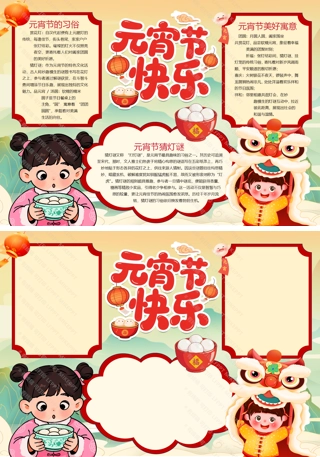
【元宵节】2026马年元宵节手抄报
这套 “元宵节快乐” 手抄报以暖黄为主色调,融入萌娃吃汤圆、醒狮贺岁、红灯笼等元素,年味浓郁且充满童真,包含彩色成品、彩色空白、黑白线稿、浅线稿四种版式,兼顾范例参考与自主创作。内容板块聚焦元宵节核心民俗,“元宵节的习俗” 介绍赏花灯、猜灯谜的传统由来;“元宵节美好寓意” 解读团圆、祈福的文化内涵;“元宵节猜灯谜” 讲述这一趣味活动的历史与魅力。各板块以矩形、云朵形边框清晰划分,层次分明,成品提供详实的民俗知识与文案范例,空白版本便于学生填充个人的元宵经历与感悟,是兼具文化性与实用性的元宵节主题手抄报模板。
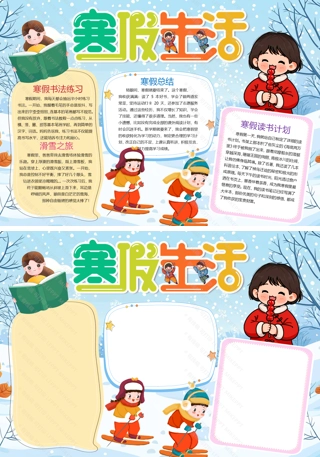
【寒假生活】卡通寒假生活冬天小报手抄报Word模版
这套 “寒假生活” 手抄报以冬日雪景为基底,搭配滑雪孩童、捧书阅读等童趣插画,色彩明快且充满生活气息,涵盖彩色成品、彩色空白、黑白线稿、浅线稿四种版式,兼顾范例参考与学生自主创作需求。内容板块设计贴合小学生寒假日常,“滑雪之旅” 记录户外滑雪的趣味经历与挑战自我的感悟;“寒假书法练习” 讲述坚持练字的过程与收获;“寒假读书计划” 分享《海底两万里》等书籍的阅读心得;“寒假总结” 复盘假期的学习、运动与志愿服务收获,反思不足并规划新学期。各板块以异形边框清晰划分,层次分明,成品提供优质文案范例,空白版本便于学生填充个人假期故事,是助力小学生梳理寒假生活、记录成长的实用模板。
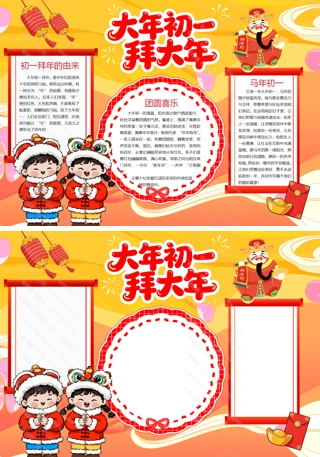
【迎新年】大年初一拜大年新年福马迎春马年春节小报手抄报
这套 “大年初一拜大年” 手抄报以红金为主色调,融入萌娃拜年、财神送福、红灯笼等元素,年味浓郁且童趣十足,包含彩色成品、彩色空白、黑白线稿、浅线稿四种版式,兼顾范例参考与自主创作。内容板块聚焦大年初一传统习俗,“初一拜年的由来” 讲述年兽传说与拜年习俗的起源;“团圆喜乐” 描绘初一阖家团圆、吃饺子年糕、收红包的温馨场景;“马年初一” 则结合生肖寓意,传递新春的活力与美好祝福。各板块以矩形、圆形边框清晰划分,层次分明,成品提供详实的民俗知识与文案范例,空白版本便于学生填充个人的拜年经历与新春感悟,是兼具文化性与实用性的春节主题手抄报模板。
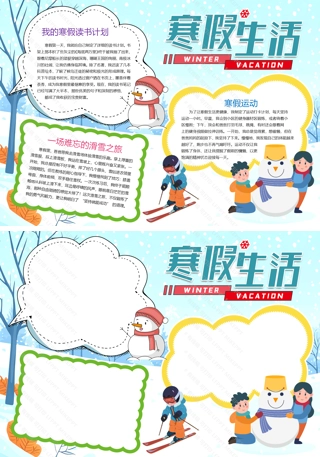
【寒假计划】我的寒假生活冬天寒假计划小报手抄报Word模版
这套 “寒假生活” 手抄报以冬日雪景为背景,融入滑雪、堆雪人等童趣插画,整体风格清新活泼,兼具观赏性与实用性,包含彩色成品、彩色空白、黑白线稿、浅线稿四种版式,适配不同创作需求。内容板块设计贴合小学生寒假生活,“我的寒假读书计划” 记录阅读《海底两万里》等书籍的收获,分享做读书笔记的心得;“一场难忘的滑雪之旅” 讲述滑雪的经历与 “坚持就能成功” 的感悟;“寒假运动” 板块则介绍了每日运动计划与健身收获。各板块以云朵、矩形等异形边框区分,层次分明,成品提供优质内容范例,空白版本便于学生填充个人假期故事,是助力小学生梳理寒假生活的优质模板。
【寒假计划】卡通寒假生活寒假计划冬天小报手抄报Word模版
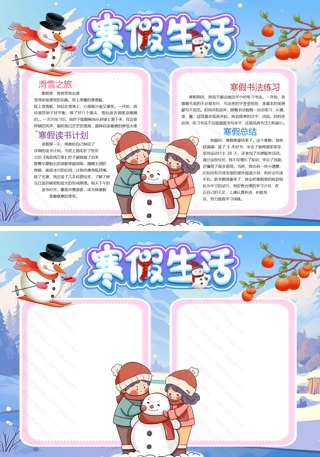
这套 “寒假生活” 手抄报设计充满冬日暖意,以蓝白为主色调,搭配雪人、红柿、孩童堆雪等元素,既显节日氛围又富童真。版式包含彩色成品、彩色空白、黑白线稿、浅线稿四种,兼顾范例参考与自主创作需求。内容板块聚焦寒假核心生活,“滑雪之旅” 记录户外体验的乐趣与挑战,“寒假读书计划” 分享《海底两万里》等书籍的阅读收获,“寒假书法练习” 讲述坚持练字的成长感悟,“寒假总结” 复盘假期的收获与不足。板块以粉色边框清晰划分,内容兼具趣味性与教育性,空白版本则为学生预留了书写个人假期故事的空间,是适配小学生的优质寒假作业模板。
【寒假计划】寒假生活寒假计划冬天卡通小报手抄报Word模版
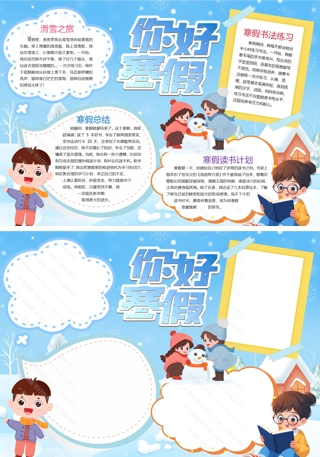
这套 “你好寒假” 手抄报设计精巧,兼具实用性与美观性,以冬日蓝为主色调,搭配堆雪人、读书等童趣插画,营造出浓厚的假期氛围。版式上分为彩色成品、彩色空白、黑白线稿、浅线稿四种版本,适配不同使用需求。内容板块丰富且贴合小学生生活,“滑雪之旅” 记录户外实践的快乐,“寒假总结” 复盘成长收获,“寒假读书计划” 分享阅读感悟,“寒假书法练习” 展现坚持的意义。各板块以云朵、矩形等边框区分,层次清晰,既为学生提供了优秀的内容范例,空白版本也方便孩子们填充自己的假期故事,是一份兼具展示与创作价值的寒假作业模板。